

 Zinsco panels are also known as Zinsco-Sylvania. These electrical panels were commonly installed in homes around the mid-1970s and while they worked fine at the time, Zinsco panels are now considered unsafe.
The thing is, Zinsco panels are only one of many old brands of panels that now present a safety threat to homes that have them. But you quickly find that not much is ever said about this specific panel, despite how popular they were at a time.
Having a Zinsco panel in a modern home is unsafe, and thankfully, it can easily be replaced for a panel that meets today’s safety codes.
How to Identify a Zinsco Panel
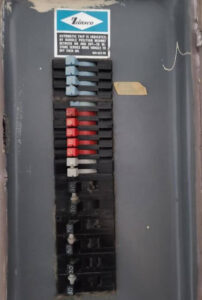
A Zinsco panel has a vertical line of color-coded circuit breaker handles running through the middle of the electrical bus. Its design includes aluminum bus bars. You can also find the Zinsco label at the top of the panel.
What makes a Zinsco panel dangerous?
In the 1900s, Zinsco panels were first manufactured with copper bus bars. However, in the 1960s there was a severe copper shortage which led to some changes in the National Electric Code (NEC). These changes included allowing aluminum to be used in electrical panels and companies like Zinsco took this option.
Aluminum is still being used today in some electrical panels, so you’re right to wonder how this makes Zinsco panels dangerous. The aluminum alloy used in the 1970s by most panel manufacturers differed from that in use now.
It was an element prone to oxidation, and it soon became problematic for long-term use of Zinsco panels.
The primary issue with Zinsco panels isn’t just that they are old; it’s a fundamental design flaw in how the breakers connect to the power bus bar.
- The “Welding” Effect
Unlike modern breakers that snap securely onto a bus bar, Zinsco breakers use a clip design that often creates a loose connection. This looseness causes arcing—essentially small sparks jumping between the metal surfaces. Over time, this heat causes the breaker to literally fuse (weld) itself to the bus bar.This results in not being able to manually shut off the power because the breaker is melted in place. - Failure to Trip
The most dangerous job of a circuit breaker is to “trip” (cut power) when there is a surge or a short circuit. Because of the internal overheating and the melting mentioned above, Zinsco breakers frequently fail to trip.The wires in your walls will continue to draw massive amounts of electricity until they glow red-hot, melting their insulation and igniting the surrounding wood or drywall. - Material Deterioration
Zinsco used a specific aluminum alloy for their bus bars that is highly susceptible to oxidation. As the aluminum oxidizes, it creates more electrical resistance, which generates even more heat, creating a “thermal runaway” cycle that inevitably leads to component failure.
How to Identify Zinsco Breakers
If you aren’t sure if you have one, look for these visual cues on your electrical panel:
- The Name: Look for “Zinsco,” “Magnetrip,” or “Sylvania-Zinsco” labels.
- Color-Coded Toggles: Zinsco is famous for having bright, multi-colored breaker switches (blue, red, green, and yellow).
- Thin Profile: The breakers are often much thinner than modern standard breakers.
What are the general signs of a bad breaker or panel?
Zinsco or not, your electrical panel can fail and become a safety hazard. Here the general signs of a bad electrical breaker or panel:
- Flickering lights in your home.
- Frequent tripping of the breaker.
- Loud buzzing noises coming from the panel.
- Burning smells or signs or rusts, burns, or smoke from the panel.
What to do if you have a Zinsco panel
Most insurance companies today will either refuse to insure a home with a Zinsco panel or charge a significantly higher premium. Because the flaws are inherent to the design, replacing individual breakers is not a fix. The bus bar itself is usually damaged the moment a breaker starts to fail.
If you live in an old home or you’re simply unsure about the panel you have, call an experienced electrician to inspect your current panel. Do not attempt to fix or replace the panel yourself.
Safety Note: If you suspect you have a Zinsco panel, do not attempt to pull the breakers out yourself. The act of moving a compromised breaker can sometimes trigger an arc flash. Replacing the panel is the best choice for the safety of lives and properties in your building, and it should be carried out by a licensed electrician.