

At The Electric Connection, we believe that staying ahead of regulatory changes isn’t just about compliance—it’s about protecting your investment and ensuring the safety of your tenants.
Recently, our very own Kim Hopkins, owner of The Electric Connection, hosted a webinar to discuss two of the most pressing issues facing property owners and managers in Los Angeles today: the new 82-degree indoor cooling mandate and the tightening insurance requirements for aging electrical panels.
With over 45 years of experience serving the Los Angeles metropolitan area, Kim shared his deep expertise on how these changes affect your building’s electrical infrastructure and what you can do to stay prepared.
The 82-Degree Mandate: Is Your Building Ready?
The County of Los Angeles has introduced a mandate requiring indoor temperatures to be maintainable at or below 82 degrees Fahrenheit. While this currently targets unincorporated areas, the City of Los Angeles and the State of California are considering similar requirements.
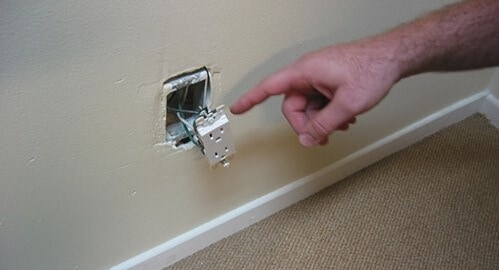
The Challenge: Adding air conditioning to older buildings creates a massive new “electrical load.” Many older properties simply aren’t equipped to handle the surge in power required by dozens of new AC units running simultaneously. Kim highlighted the importance of a professional load calculation to determine if your current service can handle the heat—or if a service upgrade is necessary to avoid blown fuses and fire hazards.
The “Insurance Letter”: Why Your Electrical Panel Matters
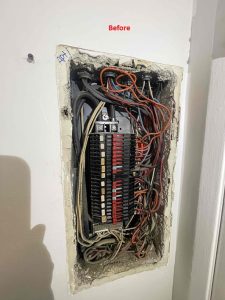
Property managers across Southern California are receiving dreaded notices from insurance carriers: Replace your electrical panels or lose your coverage.
Insurers are increasingly blacklisting specific brands of aging or recalled sub-panels that are known fire risks. Kim discussed why brands like Federal Pacific (FPE) and Zinsco are major red flags for insurers. If your building contains these panels, you may face skyrocketing premiums or total policy cancellations.
Expert Advice from Kim Hopkins
During the webinar, Kim provided actionable strategies for property owners facing these challenges:
- Don’t Panic Over “The Letter”: If you receive a notice from your insurer, the first step is a professional inspection. Kim explained how to differentiate between a simple repair and a necessary replacement to avoid unnecessary expenses.
- Identify “Contractor Traps”: Not all electrical contractors are created equal. Kim shared how to spot “red flags,” such as contractors who underbid by skipping permits or those who use sub-standard materials.
- The Power of a Lifetime Guarantee: Since founding The Electric Connection in 1979, Kim has stood by the philosophy that quality comes first. We offer a lifetime guarantee on our work, providing property owners with the peace of mind that their new panels will meet both city codes and insurance standards for decades to come.
Listen Now and Take Action
The trend of stricter cooling mandates and insurance audits is only growing. Whether you manage a single apartment building or a massive condominium complex, the time to assess your electrical health is now. Listen to the webinar below or visit Apartment News Magazine’s website for more info.
Is your property compliant? Don’t wait for an insurance hike or a power failure during the next heatwave.
Contact The Electric Connection today to schedule a consultation with our expert team. Let us help you navigate the complexities of load requirements and panel upgrades with the expertise that only 45 years in the business can provide.
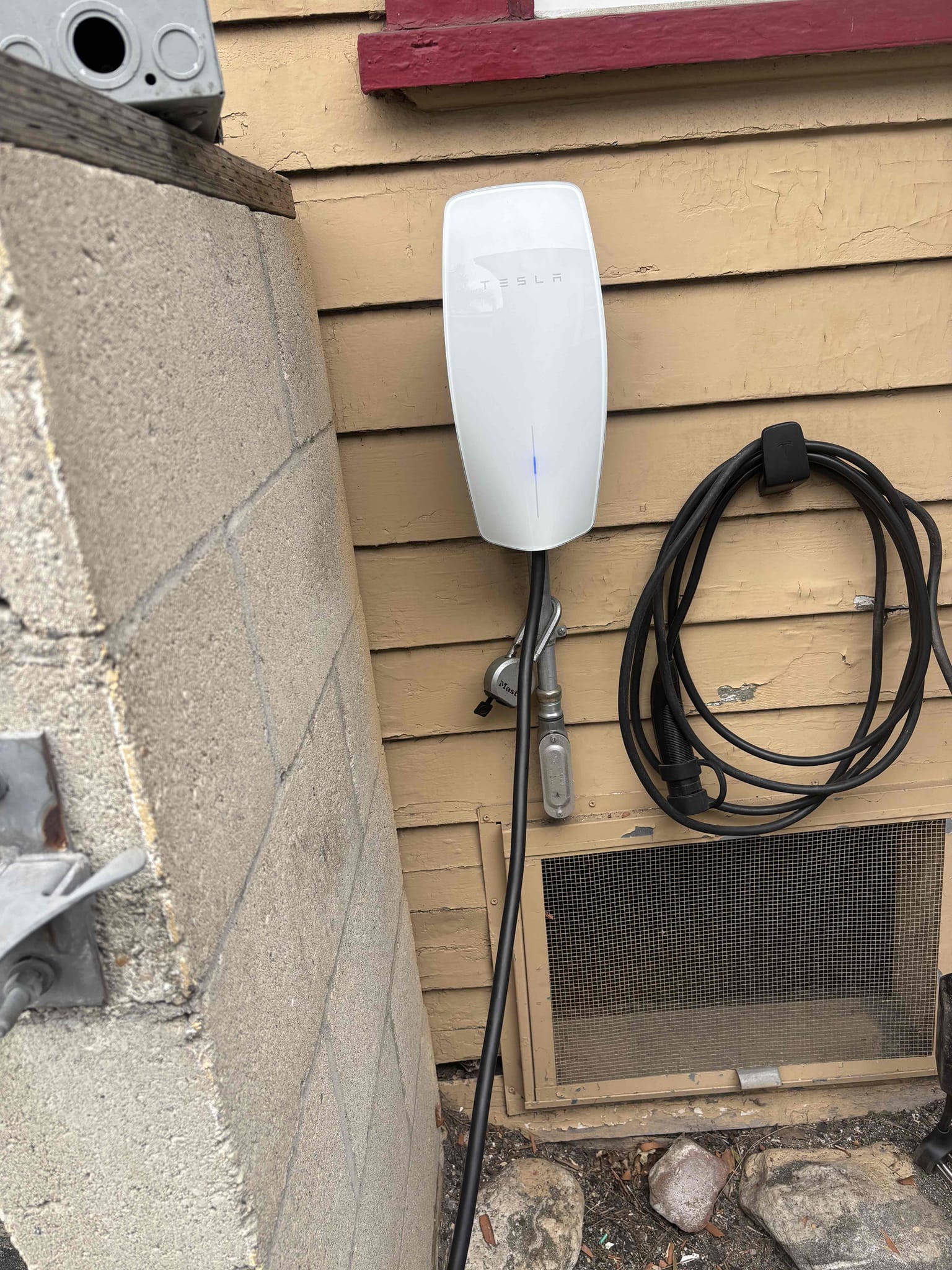
 As electrical contractors here in Los Angeles, I’ve seen firsthand how quickly our city is pivoting toward electric vehicles. While many residents start out using standard wall outlets or NEMA receptacle, they often realize pretty quickly that a faster, more permanent charging solution is a game-changer for daily life. We recently completed a project that perfectly illustrates this shift.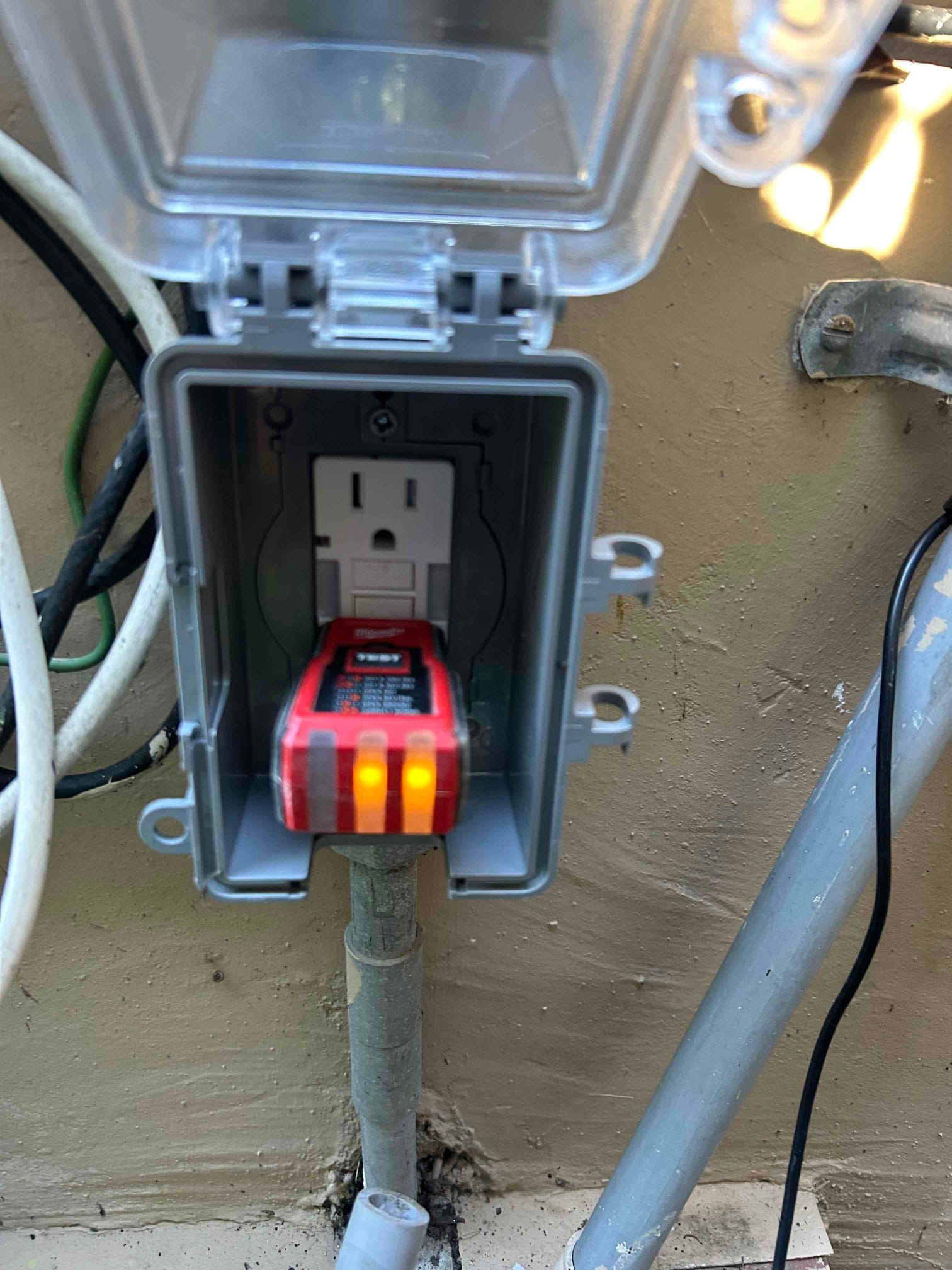
 Our technician was out in the field, to handle a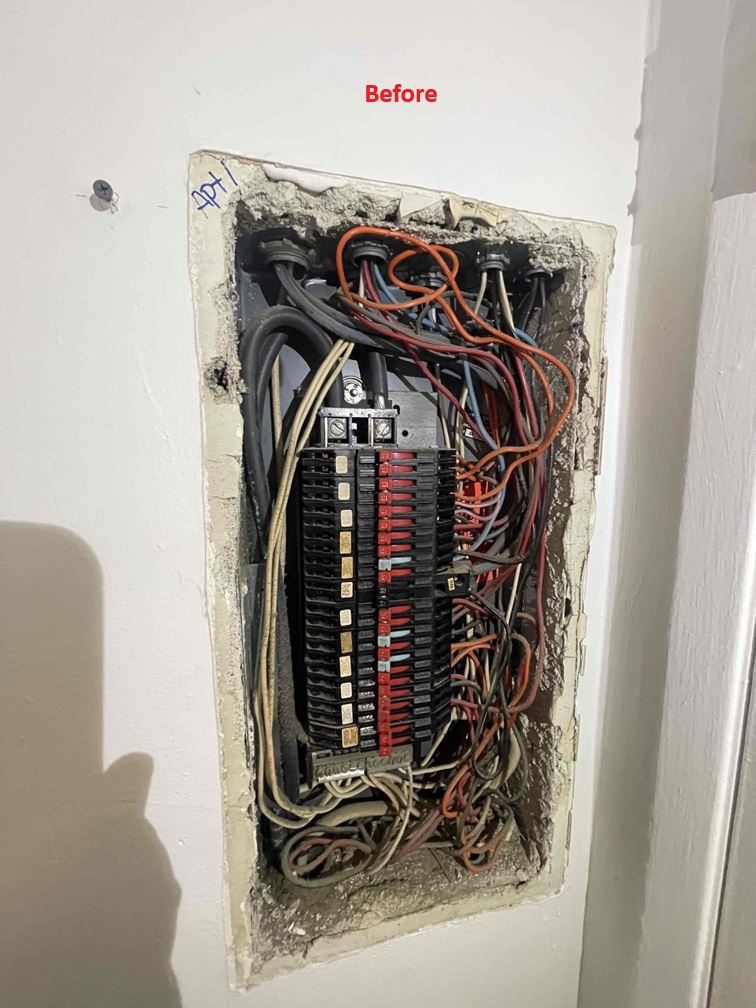
 As technology continues to advance, more and more homeowners and business owners are investing in smart home technology. Smart homes use technology to automate and control a variety of systems, including lighting, security, heating and cooling, and entertainment systems. While some people may view smart homes as a luxury, the reality is that they offer many benefits that can improve the overall comfort, convenience, and energy efficiency of a home or business. In this article, we will explore some of the key benefits of installing smart home technology and recommend

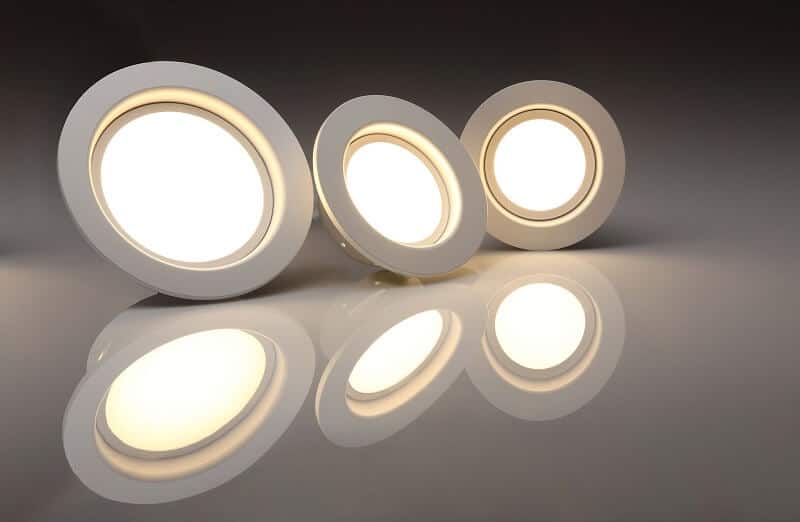
 As a home or business owner in the Los Angeles area, you understand the importance of energy efficiency in today’s world. With rising energy costs and environmental concerns, it’s more important than ever to make the switch to energy-efficient lighting solutions.