


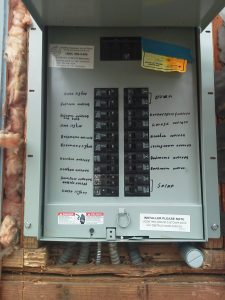
 Modern homes demand more electricity than ever before. Between coffee makers, televisions, home offices, HVAC systems, and smart appliances, your home’s electrical system works around the clock. All of that electricity flows through one central metal box—your electrical panel (also called a main panel or breaker box).
Inside a modern electrical panel, rows of switches called circuit breakers control and protect the flow of electricity to every outlet, light fixture, and appliance in your house. When a circuit breaker detects an overload or electrical anomaly, it automatically trips to shut off power and prevent overheating or electrical fires.
As household energy needs grow, older electrical panels often struggle to keep up. Knowing when to upgrade—and whether to choose a 100 amp or 200 amp panel—keeps your home safe, efficient, and ready for future upgrades.
Signs It Is Time to Upgrade Your Electrical Panel
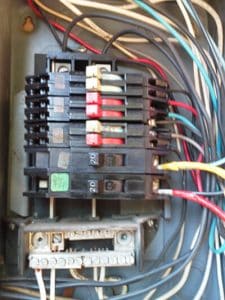 If you are unsure whether your current electrical panel can safely handle your home’s power demands, watch for these common warning signs:
- You Still Have a Fuse Box: Older panels rely on fuses instead of circuit breakers. Unlike breakers, fuses do not reset, and outdated fuse systems can pose a serious fire hazard if overloaded or improperly replaced. Upgrading to a modern breaker panel significantly improves home safety.
- Your Home Is Older: Homes built decades ago were not designed for today’s electronics and high-draw appliances. If your home has never had an electrical upgrade—or still runs on an outdated 60 amp panel—a licensed electrician can evaluate whether upgrading to 100 amps or 200 amps is necessary.
- You Are Adding Major Appliances: Installing power-hungry equipment like an electric vehicle (EV) charger, new clothes dryer, upgraded refrigerator, central air conditioning, or a hot tub often exceeds what an older panel can support. You may need both a dedicated circuit and higher overall panel capacity.
- Circuit Breakers Trip Frequently: An occasional tripped breaker means the system is doing its job. However, if breakers trip regularly when you run everyday appliances simultaneously, your panel may be overloaded or failing.
What is the Difference between a 100amp panel and a 200amp panel?
Residential electrical panels typically range from 60 amps to 400 amps, with 100 amp and 200 amp panels being the standard choices for modern homes. The primary difference between the two comes down to electrical capacity—how much power your home can safely draw at one time without overloading circuits.
| Feature | 100 Amp Electrical Panel | 200 Amp Electrical Panel |
|---|---|---|
| Power Capacity | Standard capacity for basic daily loads | Double the capacity for high-demand households |
| Ideal Home Size | Small to medium homes (up to ~2,500–3,000 sq. ft.) with modest power needs | Medium to large homes (2,500–3,500+ sq. ft.) or homes with heavy electrical loads |
| Best Use Cases | Gas heating/water heater, standard lighting, basic kitchen appliances, one AC unit | EV chargers, hot tubs, swimming pools, electric heating, home additions, extra outlets |
| Future Expansion | Limited room for additional circuits | Plenty of breaker space and amperage for future remodels and appliances |
When a 100 Amp Panel Is Enough
A 100 amp panel works well for smaller or moderately sized homes with standard energy consumption—for example, a home under 2,500 to 3,000 square feet that uses gas for heating and hot water and runs a single air conditioner. While it handles everyday lighting and standard household electronics safely, pushing a 100 amp panel with too many simultaneous high-draw appliances increases the risk of tripped breakers and overloaded circuits.
When You Should Choose a 200 Amp Panel
A 200 amp panel doubles your available electrical capacity, enhancing both safety and convenience. It is the preferred standard for larger homes, renovations, and households running multiple high-demand systems at once—such as a pool, hot tub, central HVAC, workshop tools, or a Level 2 EV charger. Homes over 3,500 square feet with heavy electrical loads may even require a 200 amp panel paired with a subpanel.
If your current panel is rated below 100 amps, an upgrade is strongly recommended. If you currently have a 100 amp panel, an electrician can perform a load calculation to determine whether upgrading to 200 amps makes sense for your lifestyle and future plans.
What to Expect During an Electrical Panel Upgrade
Upgrading an electrical panel is a major electrical project that should always be handled by a licensed, experienced electrician. Because the work connects directly to your home’s main utility service, it typically involves:
- System Assessment & Load Calculation: Evaluating your home’s square footage, existing wiring, and current or planned appliances to recommend the right amperage.
- Permits & Utility Coordination: Pulling required local building permits and coordinating with your utility provider to safely disconnect and reconnect main power.
- Installation & Safety Testing: Replacing the panel box, updating breakers and grounding as needed, and testing every circuit for code compliance and safety.
Depending on the complexity of the job and whether additional wiring repairs are needed, a panel upgrade usually takes anywhere from 8 to 10 hours for a straightforward replacement up to a few days for more extensive electrical upgrades.
Schedule an Electrical Panel Evaluation in Los Angeles
Whether you are experiencing frequent breaker trips, replacing an outdated fuse box, or upgrading to a 200 amp panel for new appliances, The Electric Connection has been helping Los Angeles homeowners keep their electrical systems safe and reliable for over 40 years. Contact our licensed electricians today to inspect your panel and get a personalized recommendation for your home.