

Upgrading a ceiling fan is one of the quickest ways to improve indoor comfort and airflow in a Los Angeles home. However, when an existing electrical circuit controls both a ceiling fan and recessed lighting off a single switch, installing a new modern fan requires creative, safe electrical solutions.
Recently, the expert electricians at The Electric Connection completed a custom ceiling fan replacement at a home in Canoga Park. Here is how we solved a common wiring challenge to keep both the fan and room lighting operating perfectly.
The Challenge: Shared Dimmer Switches
The homeowner provided a stylish modern ceiling fan equipped with an integrated LED light and a handheld wireless remote. However, the existing wall switch was a dimmer that controlled both the ceiling fan location and surrounding recessed lighting.
Dimming switches lower voltage to control light brightness. Standard ceiling fan motors (and remote control receiver modules) should **never** be powered by a dimmed wire circuit, as the reduced voltage can cause motor humming, receiver failure, or damage to the fan. The homeowner wanted to keep the dimmer switch exclusively for the recessed lights while gaining full, independent remote control of the new fan.
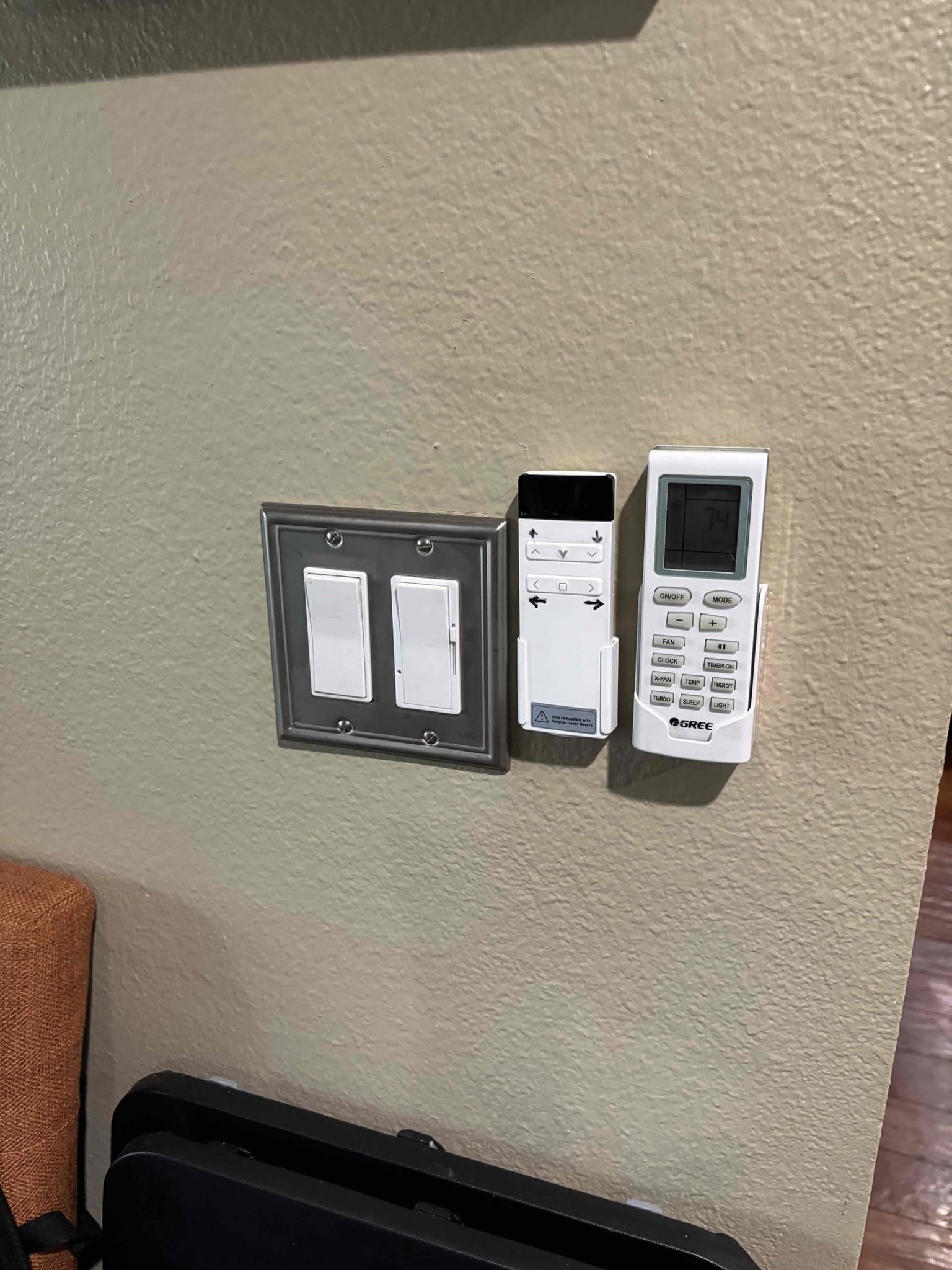
Wall-mounted remote control setup allowing independent fan and thermostat operation without interfering with wall light switches.
The Electrical Solution: Constant Hot Wiring
To solve this layout dilemma without cutting into walls or running new cables back to the switch box, our technician utilized a smart constant-power configuration:
- Constant Hot Connection: Inside the ceiling junction box, we spliced the fan’s power supply directly to an unswitched “constant hot” line. This supplies continuous, full voltage to the fan’s remote receiver regardless of wall switch positions.
- Maintaining Dimmer Functionality: The wall dimmer remained dedicated exclusively to controlling the recessed ceiling lights, fulfilling the client’s request.
- Secure Installation & Remote Sync: We mounted the fan assembly securely to the rated ceiling box, connected the remote control receiver, and tested all speed and light settings to ensure flawless operation.
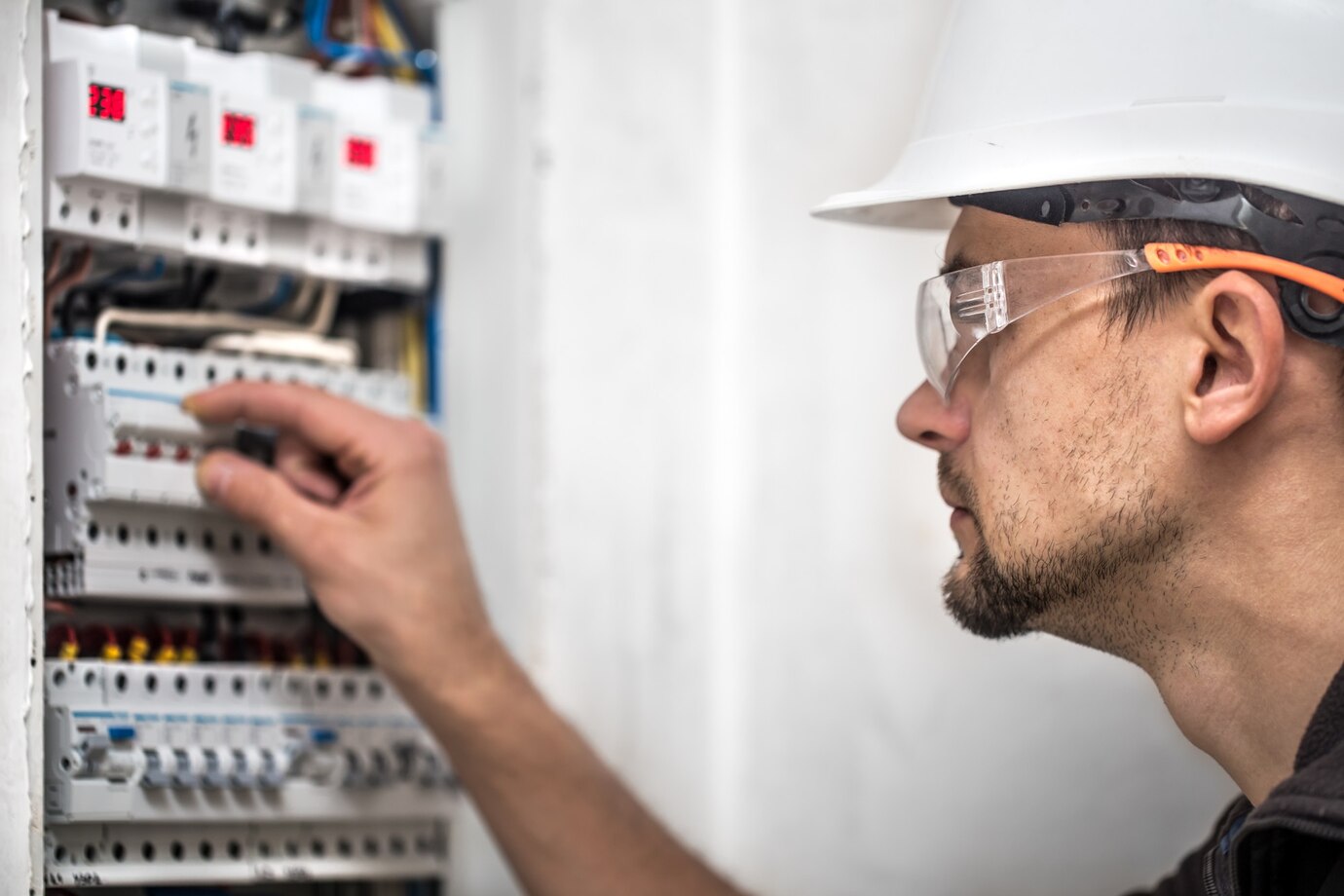
Our electrician completing final assembly, alignment, and testing on the newly installed ceiling fan.
💡 Electrician Maintenance Tip:
If your remote-controlled ceiling fan ever becomes unresponsive or starts acting erratically, check the batteries first! If new batteries don’t help, it often indicates the internal remote receiver module inside the fan canopy is beginning to fail and needs replacement.
Why Hire a Licensed Electrician for Ceiling Fan Installations?
Installing a ceiling fan involves more than just hanging a heavy fixture—it requires proper electrical sizing, safe box mounting, and clean wiring.
| Installation Aspect | DIY Risk | Professional Standard |
|---|---|---|
| Junction Box Mounting | Standard light boxes can pull loose under fan weight & vibration | Inspection & installation of fan-rated metal ceiling boxes |
| Voltage Compatibility | Wiring fan motors to wall dimmers burns out receivers | Isolating fan circuits to constant hot lines for remote safety |
| Remote Control Modules | Pinched wires inside small ceiling canopy boxes | Clean wire routing with safe insulation caps |
Need a Ceiling Fan Installed in Los Angeles?
Whether you are replacing an old paddle fan or adding new fixtures to your living space, The Electric Connection delivers safe, reliable electrical work backed by our Lifetime Labor Warranty.
- ⚡ Lifetime Labor Warranty on all installations.
- ⚡ Licensed & Fully Insured local electricians.
- ⚡ Over 40 Years serving Canoga Park and Greater LA.
📞 Call Us: 818-446-0888]
📧 Email Us: service@electricconnection.com
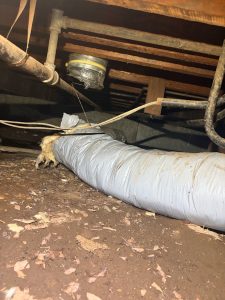 Our troubleshooting process began in the kitchen. We systematically checked the refrigerator outlet and surrounding countertop receptacles. However, diagnostic tests showed the circuit was dead-shorting somewhere deeper in the line.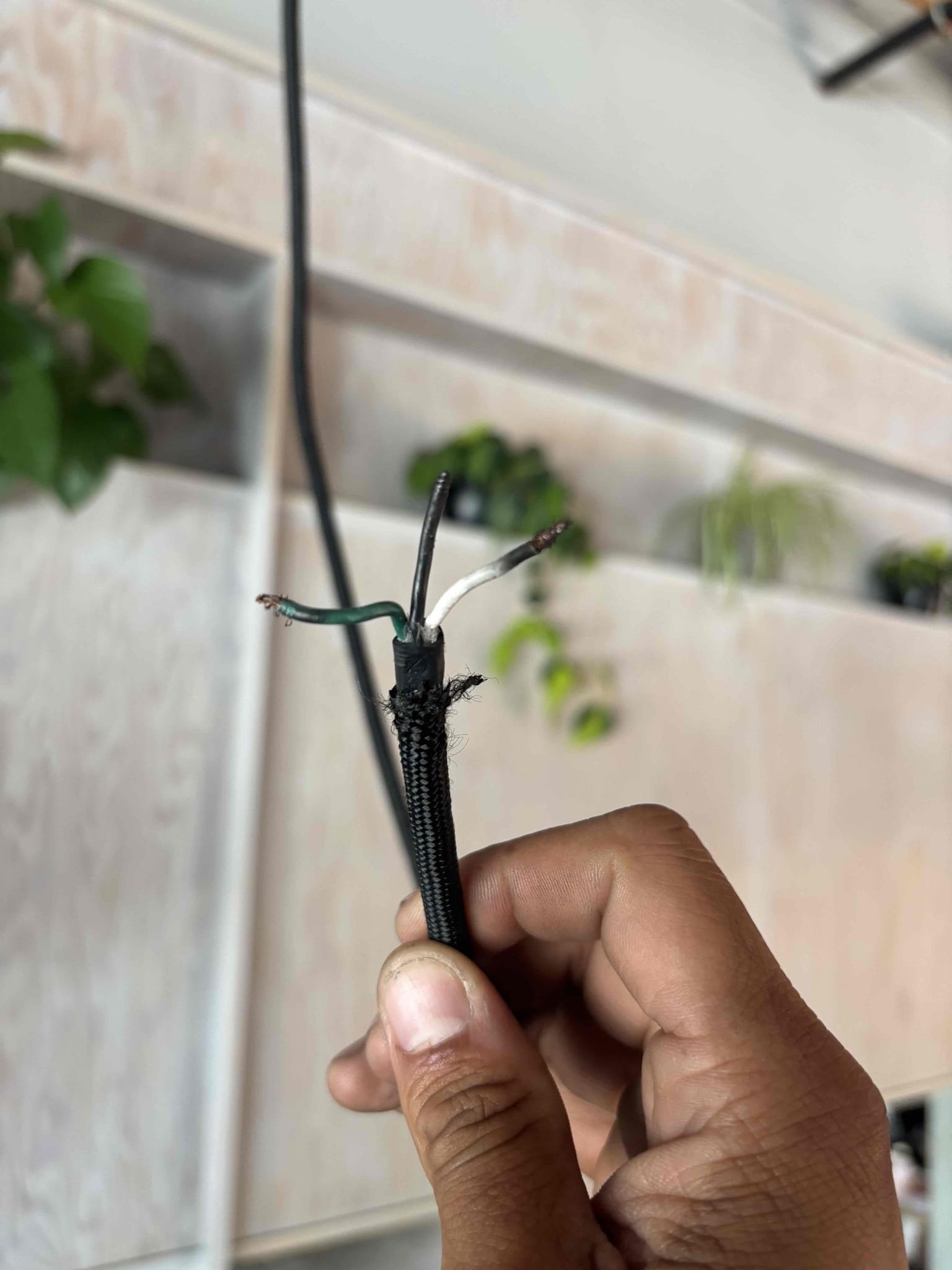
 Lighting is everything—especially in a bustling Los Angeles coffee shop. It sets the mood, helps customers read their laptops, and makes those latte art photos look picture-perfect. But when a hanging light fixture suddenly detaches from its cable, it goes from a design feature to an immediate safety hazard and a major vibe killer.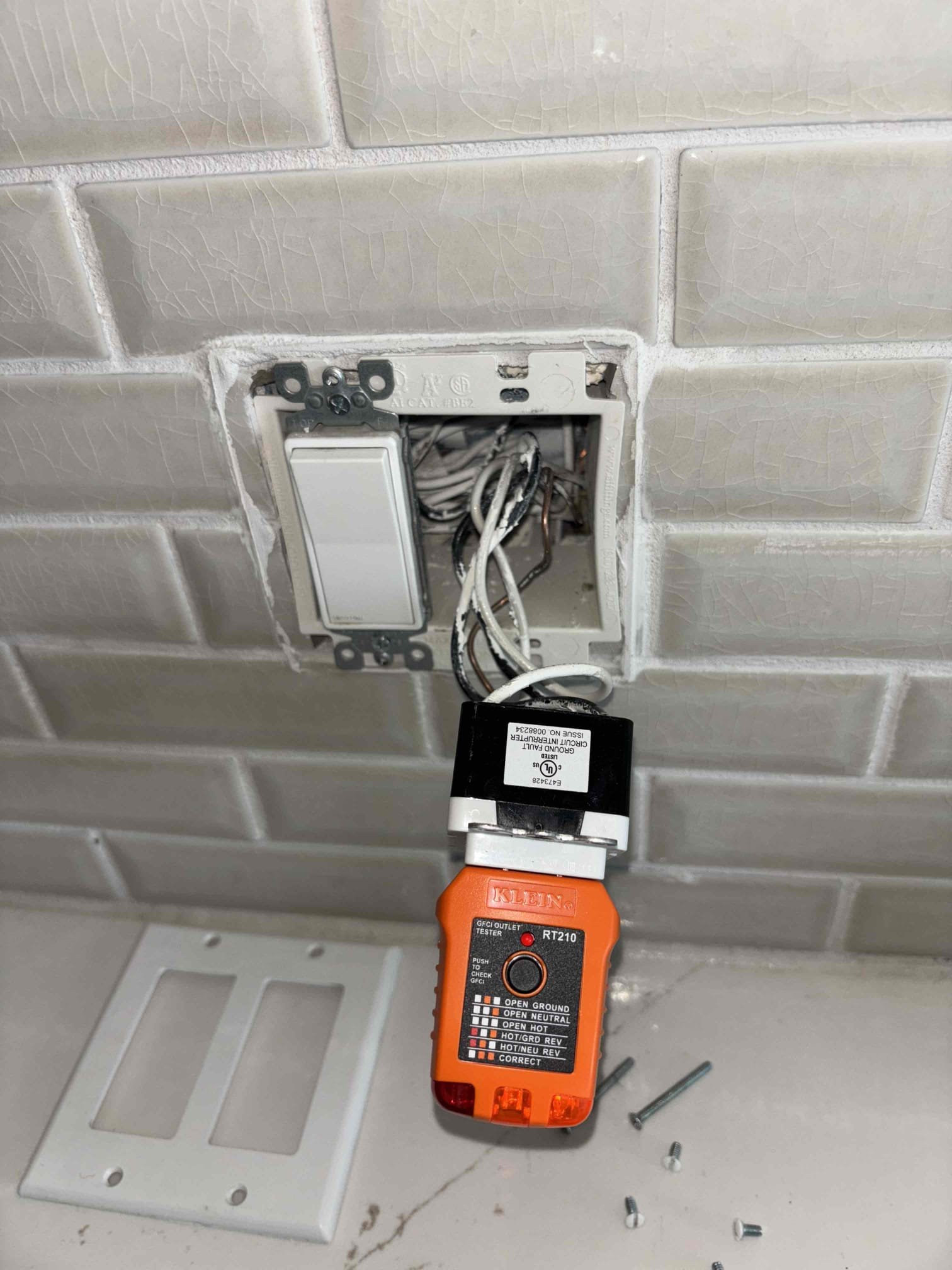
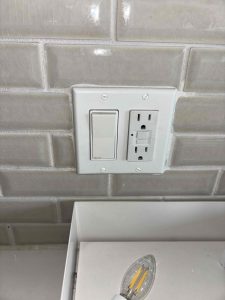 Have you ever plug in your coffee maker or toaster in the kitchen, only to find the outlet is completely dead? This frustrating but common problem is often related to your GFCI (Ground Fault Circuit Interrupter) receptacles. These crucial safety devices are designed to protect you from electrical shock, but they can be finicky. Recently, The Electric Connection was called to a residential unit in Los Angeles to troubleshoot exactly this issue. Read on to see how we quickly and safely got the kitchen back up and running.
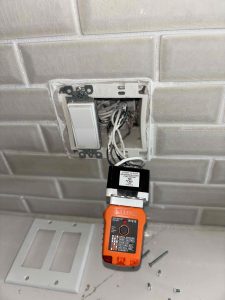 Confirming that no power was reaching the outlet moved our investigation to the electrical panel. A “dead” circuit often indicates that its corresponding circuit breaker has tripped.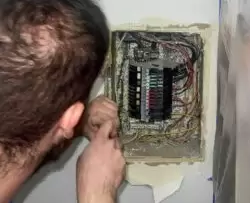
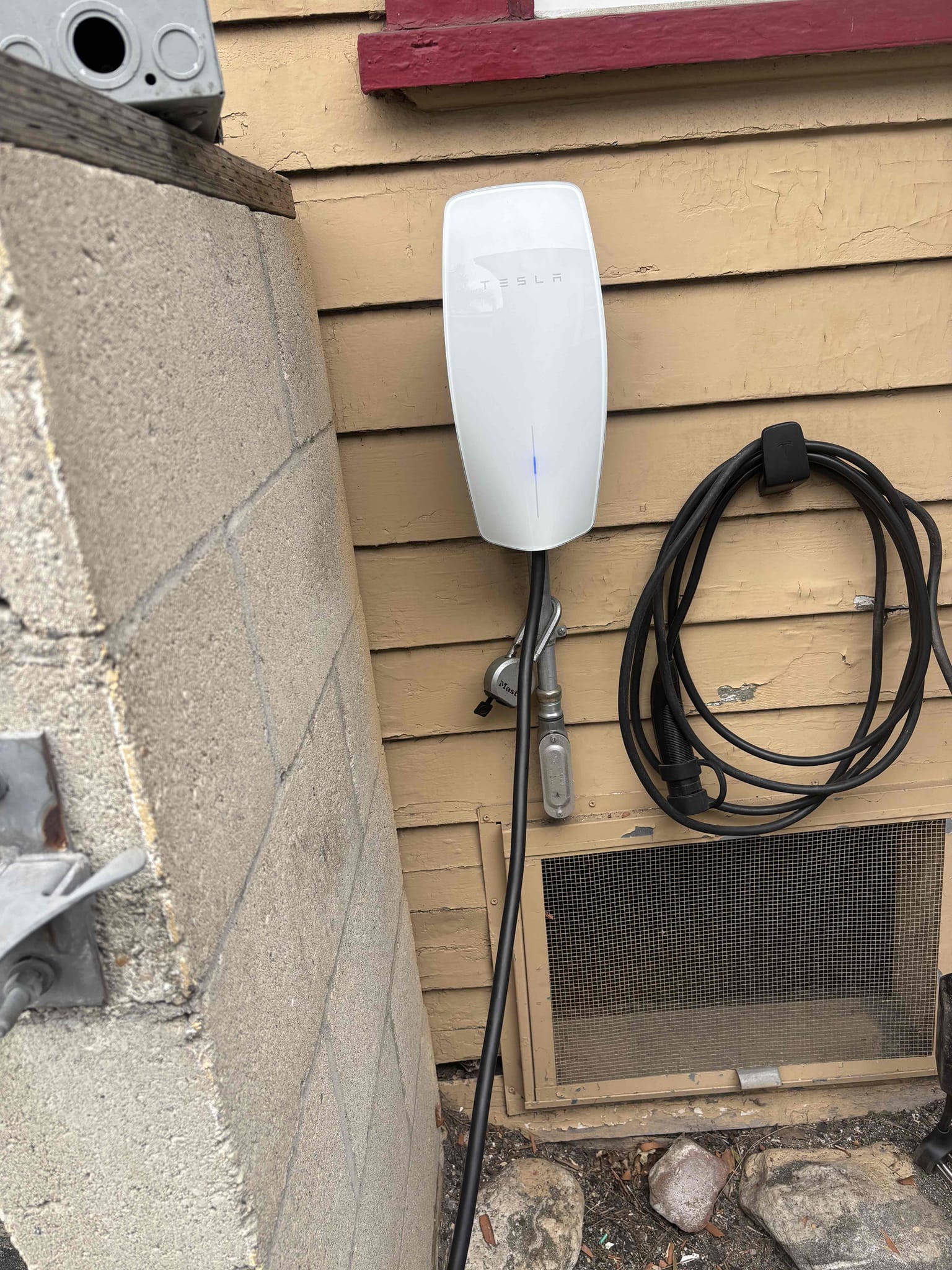
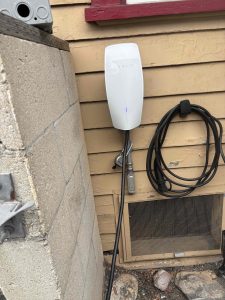 As electrical contractors here in Los Angeles, I’ve seen firsthand how quickly our city is pivoting toward electric vehicles. While many residents start out using standard wall outlets or NEMA receptacle, they often realize pretty quickly that a faster, more permanent charging solution is a game-changer for daily life. We recently completed a project that perfectly illustrates this shift.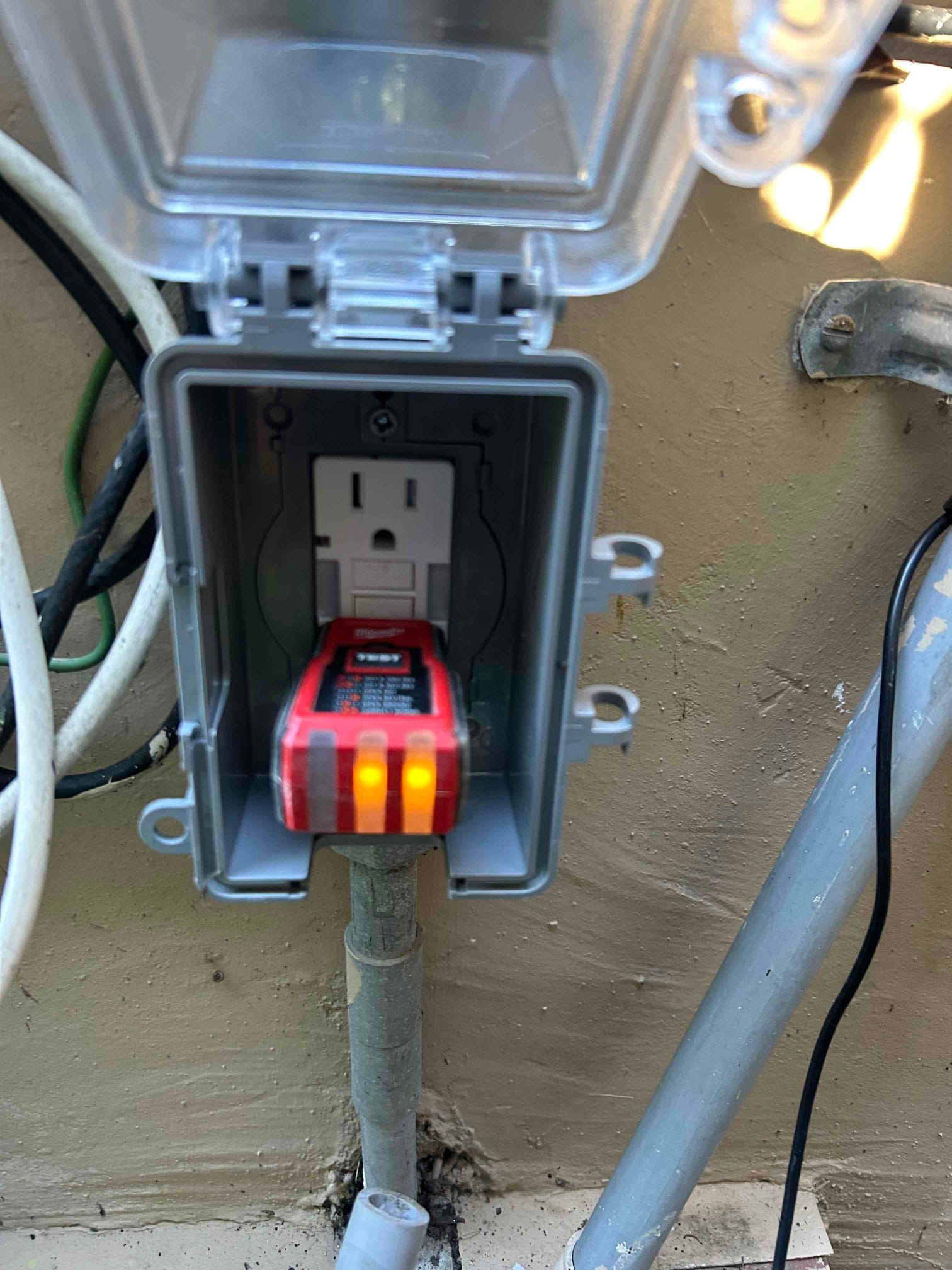
 Our technician was out in the field, to handle a