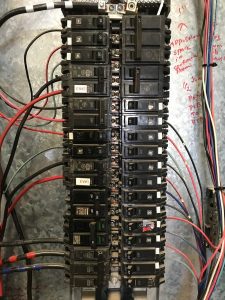


 When a part of your home or fixture suddenly goes dark, it is usually because of an individual circuit breaker tripping. The best way to find out if this is the case is to check your main electrical panel. The main electrical panel is located in the basement or utility room. A tripped breaker is always represented by a breaker switch facing a different direction from all others. For example, others may seem ON and just this one switch seems OFF or in-between.
Since no one switched off this breaker, you can safely assume it tripped. Now, a breaker tripping is not a strange thing. The circuit breakers are designed to act as safety devices in the home to prevent electrical problems or hazards from occurring. When there is a sudden surge of energy due to lightning or overload the electric breaker will trip. If an outlet suddenly draws too much current, the electric breaker will also trip.
How to reset a tripped breaker
- The first thing to do has been explained above, and it is finding the tripped breaker.
- Next, turn off all the lights, outlets, or electric devices controlled by that breaker. To guide you the breaker should be labeled for the area it serves.
- Reset the breaker by making sure it is in the OFF position. Then, turn the switch back ON. Turn on your appliances or the outlets connected to that circuit.
This simple procedure should fix the problem, but if the breaker trips again it means there is another issue. In this case, it’s time to call an expert electrician at The Electric Connection.
Here are some possible causes of a breaker tripping
Ground fault
A ground fault occurs in the grounded junction box. It is when a hot wire and a bare ground wire both touch the metal box housing them. This sets off a reaction that pushes an unusual and large amount of electricity through the circuit. This will repeatedly trip the breaker and eventually burn an outlet.
Faulty appliance
A faulty appliance can have both short circuits and ground faults that overheat the circuits and cause the breaker to trip.
Short circuit
A short circuit occurs when a neutral wire and hot wire touch. This can happen within the home’s wiring system, an outlet, or a fixture. A short circuit leads to overheating, which trips the breaker.
Most circuit breaker tripping is caused by overloading. Usually, when you can identify what you were doing before the breaker tripped, you can stop or unplug the electrical device to restore order. Resetting the breaker with the steps above will work fine.
However, a short circuit or ground fault are more serious problems that require an electrical technician. Some signs you might observe in either situation are burning smell or scorch marks around an outlet. A faulty appliance will also need to be replaced or repaired to avoid electrical problems. An electrician can confirm the true cause of the tripping breaker and fix it.
 We all know the sweet feeling of pulling out a clean, fresh, and dry clothing item from the electric dryer. At that moment when all that freshness and dryness touches your skin, you enjoy this often unrecognized pleasure of life.
 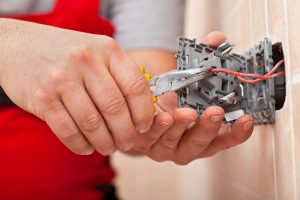 Home wiring is something many homeowners often forget to consider with other home maintenance issues. This is not strange because home electrical wiring is usually tucked away behind the walls. Hence, as long as your outlets work and the lights come on, you won’t be thinking about the wiring behind it all.
 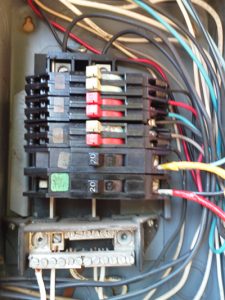 Electrical panels service homes and buildings by providing and controlling power. It is vital that such an important electrical appliance is safe and dependable. When this is not the case, homes and buildings can run into several electrical based problems that range from inefficient electricity supply to fires, electric shocks, and more.
  Rewiring is one of the most difficult, messy, and disruptive maintenance projects you can perform in the home. It is equally time-consuming and costly but very necessary. The lifespan of the electrical installation in a home is usually 25 years. However, this duration can vary depending on use. The electrical system will have to be inspected every 10 years if it is in a privately owned property or every 5 years for a rented property. This inspection guarantees electrical safety.
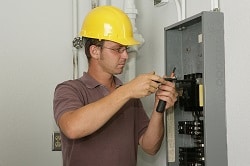 The words ‘electrical contractor and electrician’ are often used interchangeably. Many people do not know the difference between both but assume they mean the same thing. In this article, we will discuss what an electrical contractor does and how they are different from an electrician.
 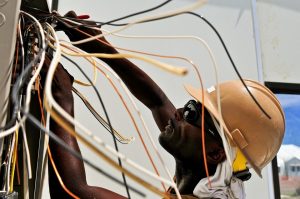 A large number of house fires are attributed to faulty wiring.
 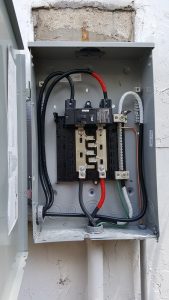 Panel upgrades are large projects. They require the expertise of a professional electrician and a good investment in funds. The electrical panels of a home contribute to its overall efficiency. In this modern age, we all rely so much on power to complete day-to-day activities. This power is distributed by the electrical panel of a home or building.