

 When you are not up for the huge investment on a central AC, a window AC may be your next best option. A window AC is typically installed at the window but unlike a central AC, they only service the rooms they are installed in. Only a central AC can cool all or many rooms at once. Read on as we explore what a window AC could mean for your energy bills.
A window AC unit consumes less than 1/3 of the energy used by a central AC. It is a cost-effective option when you have just one or a few window ACs. It is vital to know that the power demands can increase drastically if you install many of these units.
Before installing an AC, it is important to confirm that your electrical system can accommodate the new addition. This is because regardless of the energy-saving capacity of a window AC, it is still more powerful than almost all other units in the home.
A professional electrician can advise you on the installation and equally help to upgrade your panel, create dedicated outlets, and all other electrical components required for the unit. A window AC comes in various sizes and capacity, which also influences the power it consumes. Typically, a standard outlet is suitable for a 115-volt window unit with a 15-amp requirement. However, a larger window unit with between 125 to 220 volts and higher amperage will require a dedicated outlet.
A window unit is cheaper to obtain than other options like a central AC unit and a Ductless unit. But it lacks in the kind of power other air conditioners have.
If you are wondering about other options for AC and cooling, a ductless air conditioner might be a good choice. It costs more than the window unit initially, but it also packs more power. Also, in the long run, a ductless air conditioner saves you more money on the energy bill.
Central AC units are a great option, but they contribute a large chunk to the electric bill. If you must use them, employ energy-saving tips to cut down on energy costs.
Who should install a window AC unit?
Only a professional and licensed technician should install your window AC unit or any other unit. At the Electric Connection, we are experts in installing units like the AC to enhance comfort in your home. You can reach out to us to help you decide on the best energy-saving methods and install your AC unit.
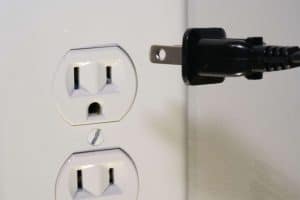 When one or more outlets in the home suddenly stop working it’s easy to assume the worst. Before you panic, it’s good to know that there are some things you can try to solve the problem. However, when these don’t work, be sure to call in the pros.
 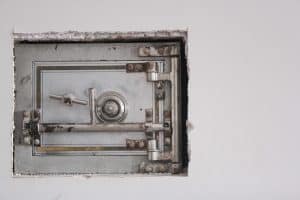 Think about it; a wall outlet safe actually looks like a wall outlet. So no one would think to look there for your valuables. A conventional safe, however, is a different matter. It stands out as an easy target for a burglar or friendly neighborhood thief. You may prefer to do without the stress of having a large showy safe. Therefore, it’s no surprise that wall outlet safes are getting more popular.
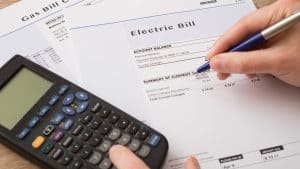 The crazy amounts of money most families spend on their monthly electric bills is a problem most households are wondering how to counter. From air conditioners to water heaters almost every equipment in our homes today use electricity. Because of this, the secret to making your electric bills affordable is through ensuring the appliances in your home are not overusing the power.
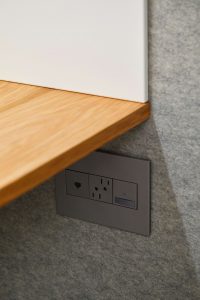 Electricity is almost as important as oxygen nowadays. It powers everything around us in one way or the other. Just like electricity is useful, it can also be dangerous. But we will not discuss the dangers here.
  Home appliances are necessary for comfort and efficiency. They literally make life easier for everyone. The only problem is that they all demand electricity to run and some use up much more power than others. Hence, while you enjoy the convenience of warm water or cool air regularly, your electric bills keep rising higher.
  Electricity has come to mean a lot to the world, but while it has proven so vital, electricity is also dangerous. To protect human lives and property from the dangers associated with using electricity, experienced electricians always ensure they ground your electrical system.
 Flickering lights are almost impossible to ignore. They can be very annoying and dangerous if not solved. Flickering lights can be fun and raise no cause for alarm if the lights in question are decorative lights.
  When a part of your home or fixture suddenly goes dark, it is usually because of an individual circuit breaker tripping. The best way to find out if this is the case is to check your main electrical panel. The main electrical panel is located in the basement or utility room. A tripped breaker is always represented by a breaker switch facing a different direction from all others. For example, others may seem ON and just this one switch seems OFF or in-between.