

 Home appliances are necessary for comfort and efficiency. They literally make life easier for everyone. The only problem is that they all demand electricity to run and some use up much more power than others. Hence, while you enjoy the convenience of warm water or cool air regularly, your electric bills keep rising higher.
A typical home uses energy in the following way:
- Air conditioning and heating – 46%
- Water heating- 14%
- Lighting – 9%
- Appliances – 13%
- TV and other media – 4%
Of course, these numbers might shock you. If you are searching for the best way to cut down on your energy bills, you must start by knowing what uses the most electricity in your home. These big eaters will have to be controlled to help you save significantly. Read on to learn about them.
Air conditioning
The air conditioner is one of the most demanding electrical appliances in the home. On its own, this appliance takes up to 19% of electrical power. It is frequently used during summer months to keep the heat at bay and enjoy cool air.
Saving on the air conditioner can be tough but also easy with the right practices. Start by getting an upgrade to a smart thermostat. The thermostat will make cooling schedules work better to save energy. Wear light clothing in the house and sometimes use cost-efficient methods of cooling. These include opening up a window and using fans.
Water heater
The water heater is used more often than the air conditioner, especially on cold days. We rely on water heaters daily for various needs such as showers, washing dishes, and clothes.
You can save on energy by reducing the temperature of your water heater. Change the presetting to 20 degrees and combine this with other saving tips such as low-flow showerheads and faucet aerators. Take shorter showers and use cold water for washing sometimes. Maintain your unit with a professional electrician to improve its efficiency.
Lighting
Saving on lighting is quite simple and should be almost unnecessary if you have taken the right precautions earlier. Throw out the old-school incandescent bulbs and replace them with LED lights. LED lights last much longer and use far less electricity.
Refrigerator
A typical home refrigerator runs for 24 hours on every day of the week. It only goes off when the power does too. But like any other appliance on this list, the refrigerator consumes as much power as it gives. If you don’t have a refrigerator yet, the good news is you can just buy the new and energy-efficient models. If not, you can employ a few strategies to cut down.
Proper maintenance is important to help your appliances work better and use less power. Clean the vents and coils of this appliance regularly and replace any broken parts like the rubber gaskets. Don’t keep the door open for too long and set the refrigerator’s temperature lower.
All saving tips must be practiced consistently to see results.
 Electricity has come to mean a lot to the world, but while it has proven so vital, electricity is also dangerous. To protect human lives and property from the dangers associated with using electricity, experienced electricians always ensure they ground your electrical system.
 Flickering lights are almost impossible to ignore. They can be very annoying and dangerous if not solved. Flickering lights can be fun and raise no cause for alarm if the lights in question are decorative lights.
  When a part of your home or fixture suddenly goes dark, it is usually because of an individual circuit breaker tripping. The best way to find out if this is the case is to check your main electrical panel. The main electrical panel is located in the basement or utility room. A tripped breaker is always represented by a breaker switch facing a different direction from all others. For example, others may seem ON and just this one switch seems OFF or in-between.
  Electrical hums and buzzes are quite common in the home. The annoying thing about these sounds is that they can be hard to locate and most times they indicate more serious electrical problems.
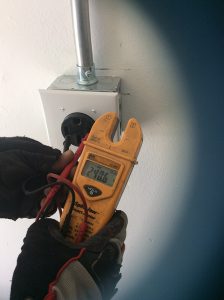 240V circuits often serve heavy-duty appliances in the home like the dryer, AC, ovens, and water heater. When there is a problem with the circuit or electrical outlet, it becomes dangerous to use them. As a homeowner, a few basic tricks can help you assess your electrical components in the home and make informed decisions about them.
 Taking out the drywall might make a rewiring project less complicated. The only problem is the stress it places on a homeowner.
  When it comes to electrical components, installing them yourself may seem complex. But with the right tips and clear directions, you can get something done.
 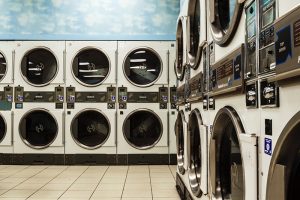 We all know the sweet feeling of pulling out a clean, fresh, and dry clothing item from the electric dryer. At that moment when all that freshness and dryness touches your skin, you enjoy this often unrecognized pleasure of life.
  Owning a home comes with several benefits including the flexibility to make changes as you please. But it’s a different thing altogether when you are one of the millions of people who rented an apartment and have limited control over the building. High monthly electricity bills can threaten that sweet feeling of having your own space and freedom.