

 Staying in a beach city enjoying the awesome weather and thrill of celebrity mansions is a great way to live. However, persistent electrical problems can put a strain on your almost-perfect living.
Rewiring your Malibu house can be the best way to end any persistent electrical problems. To be sure, call an electrician to inspect your home and describe any issues you’ve observed. The electrician will confirm if you need a house rewire.
Now, if you’re past this point and you’re trying to decide if you need an electrician to rewire your Malibu house, keep reading to find the information to help you make the right choice.
Why hire an electrician to rewire your home
- Legal reasons
A house rewire is a complex project that often requires a permit from your local authorities. The permit is important to ensure that all local codes and safety protocols are followed in the project. In most cases, the permit can only be pulled by a licensed contractor or electrician. If you choose to do the work yourself, it’s either illegal or restrictions will apply.
These restrictions include:
- You must remain in the residence at least a year after the project
- You could be persecuted if someone gets hurt due to improper work
- The building must not include any commercial or industrial components such as a public meter.
- If the home isn’t yours but that of a close relative, you’re not allowed to complete any additional low voltage work.
- After the project, you must hire an electrical inspector to check that5 the work is up to code and issue you a Certificate of Compliance.
The best option is to save yourself the headache and let a licensed electrician in Malibu complete the work.
- To avoid risks and stay safe
DIYing your electrical rewire can put you and your family at risk. Accidents like electrocution, shocks, and fire can occur from improper handling or faulty wiring. Electrical rewiring is a complex and dangerous project which is why only experienced electricians know how to reduce risks and follow proper procedures.
- Prevents failed inspections
One of the most common problems with DIY work is failed inspections. When you’ve completed a project that requires a permit without the permit, an electrical inspection will be required.
The inspector checks for compliance with safety protocols and updated codes. Most DIY house rewires often fail this inspection.
If you want to sell your home, a buyer would also use an inspector to check the electrical system of the home. If the inspection fails, the buyer won’t proceed with purchasing the home. You may end up fined for a violation. In situations where faulty electrical wiring is found after the purchase, you may be persecuted.
Hiring a professional electrician for your Malibu house rewire is the better choice. Aside from these reasons, there’s also the scope of work and electrical knowledge you need to complete the rewire. A Malibu electrician is safer and cheaper in the long run.
 Living in a beautiful city like Santa Monica, you’ll want to make sure your house is efficient as it should be and this starts with your electrical wiring.
 If you stay in your Pasadena house long enough – especially an old home – you will have to rewire sooner than later.
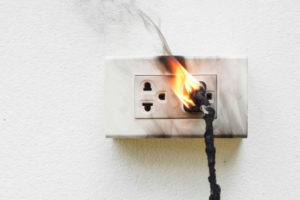 There is such a thing as a partial rewire, and sometimes it’s all you need to get your Glendale house back to normal with an efficient electrical system. Let’s take a closer look at what’s involved in rewiring part of a house.
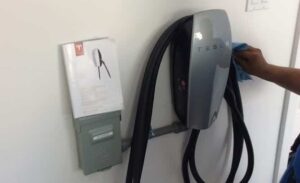 This question is more common than you think and often asked by new Tesla owners. You’d want to know if there is any risk involved with charging your electric vehicle daily or not charging as much. In this article, we have gathered all the facts to help you decide on what’s best for your EV.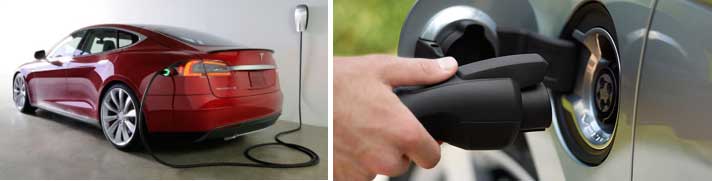

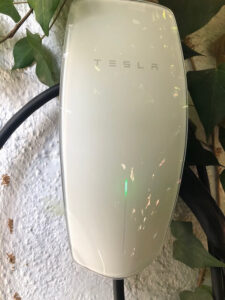 When you are an electric vehicle owner, dealing with charging becomes the next thing to do. For some, it’s easy to stick to public charging options. For others, home charging options are the best, but the same rules do not apply to every home.
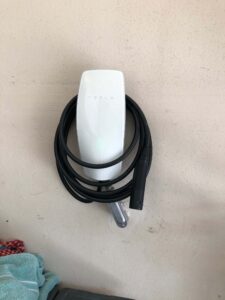 If there’s anything we know about Tesla, it’s that they keep doing better and better. This leads to more people wanting to join the movement for sustainability by owning one of their sleek vehicles.
 The coronavirus pandemic has continued to do its rounds, forcing the world to a standstill and changing the lives of thousands of people radically. We are confident that it won’t always be like this, but it has taken a toll on us in different ways.
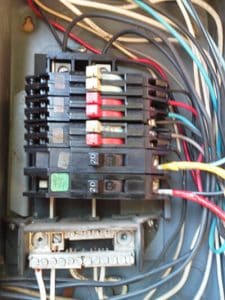 Most homeowners find it difficult to assess the condition of the panel in the home. It’s usually because you know so little about how it works.
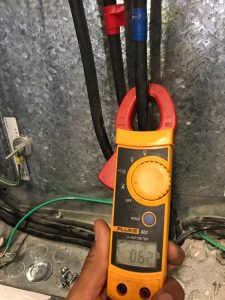 Troubleshooting your electrical problems can be tough or easy depending on the nature of the problem or how much of an expert you are.