


 If you are planning to purchase an old home or you are already living in one, then chances are you may have seen cloth-covered wiring in the home.
Electricity was discovered in the 1800s, and it was not until the 1900s it became common in homes and buildings. As you might imagine, technology hadn’t gotten so far either, so cloth-covered wiring seemed like a good solution at the time. It wasn’t until the 1960s that plastic covered cables were introduced.
So, is cloth-covered wiring a safety concern? Short answer, YES.
Cloth-covered wiring served as standard insulation during those early times and kept homes running on electricity for several years. However, in recent times, the drawbacks and dangers of cloth-covered wiring have become more obvious and dangerous. Cloth-covered wiring is also quite outdated and out of standard.
Some risks posed by cloth-covered wiring include its vulnerability to being chewed by rats and insects and getting worn or torn over time. Either of these will cause the wire underneath to be exposed creating a major fire hazard.
Cloth-covered wiring is also associated with what is known as knob and tube wiring. During the time that cloth-covered wiring was popularly used, knob and tube wiring was the standard method for running these wires through homes. The knobs and tubes in question were made of ceramic and used to run the wires through the walls. These installations are prone to breakdown, do not supply enough power, and do not carry the safety features of modern wiring methods like grounding.
In addition, some cloth-covered wiring was further insulated with asbestos paper. When wear and tear or brittleness occurs, the asbestos may breakdown releasing its hazardous particles in the air. Asbestos is a known carcinogen to humans and extremely dangerous. All of these contribute to why cloth-covered wiring is a safety concern.
What you can do
The good news is you don’t have to take your purchase elsewhere or abandon your home for safety reasons. Cloth-covered wiring can easily be replaced by professional electricians. A whole-house rewiring will eliminate the presence and dangers of cloth covered wiring.
What is required?
A professional electrician is a first and most important factor in a whole-house rewiring project. The electrician will inform you of what is needed including the cost. Whole house rewiring can be a bit demanding financially but it’s well worth it for the electrical safety of your home, family, and appliances. You will get an all-round improved electrical system with the current electrical standards, grounding, new electrical panel, three-prong outlets, and GFCI outlet protection against shocks and much more.
Contact us today, for more details and excellent service.
 What is an electrical overload?
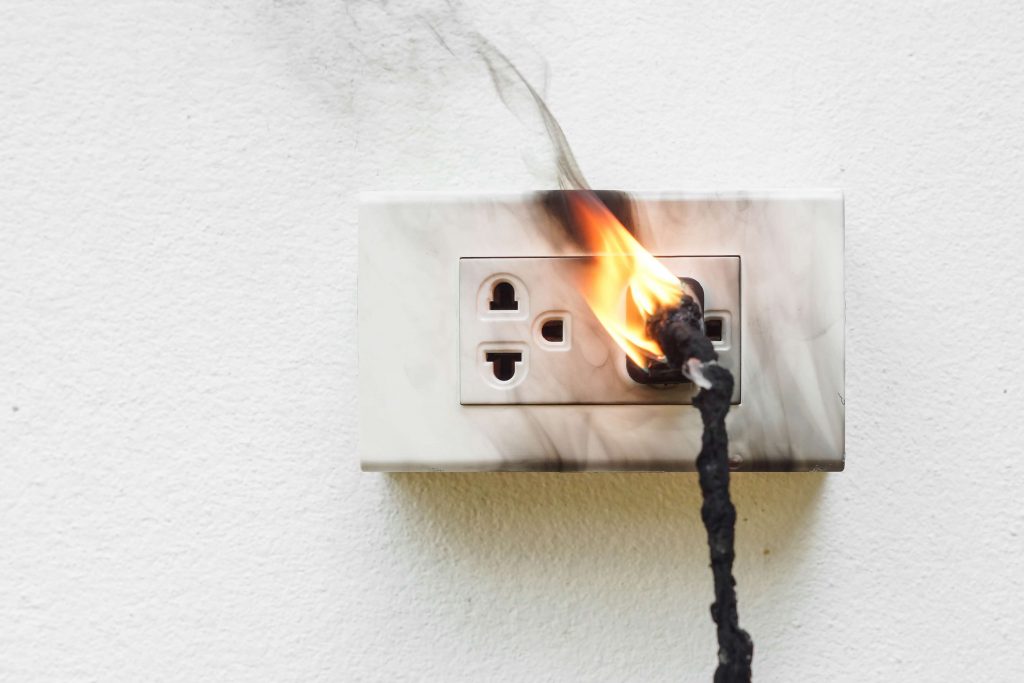 Electricity has been with us for decades. The industry continues to make new discoveries and update on former methods and as a homeowner, it might seem tasking to keep up. The good news is with every innovation comes safer, more efficient, and convenient electrical systems. You get to enjoy all the benefits still.
 The electrical system of a building is important to its function and efficiency. But with so much use to bear and the factors involved with getting a solid electrical system, electrical issues and questions often occur. Not every electrical issue or question comes at a financial cost. You can get free electrical advice that directly answers your immediate minor need.
 Finding an electrician is easy but finding a good electrician can be tough if you don’t know where to start.
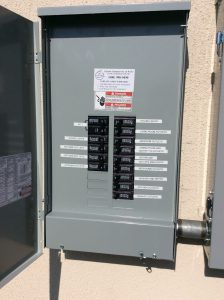
 It’s just annoying to live in a home that does not have enough power. The voltage will drop frequently, and this can be damaging to your electronics. Situations like this indicate that you need to upgrade your electrical panel. Other reasons why you might need to upgrade your panel include:
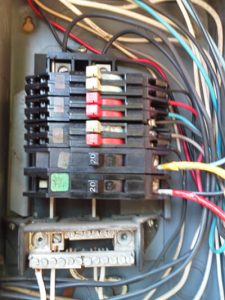 In the past, many homes could get away with using at most a 60 – 100 Amp service. But as technology evolves every day and homeowners are exposed to more and more appliances, 100 Amps can no longer cut it for most homes.
 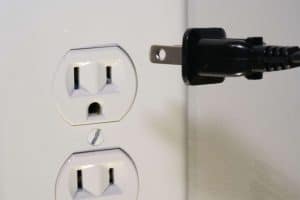 When one or more outlets in the home suddenly stop working it’s easy to assume the worst. Before you panic, it’s good to know that there are some things you can try to solve the problem. However, when these don’t work, be sure to call in the pros.
  When a part of your home or fixture suddenly goes dark, it is usually because of an individual circuit breaker tripping. The best way to find out if this is the case is to check your main electrical panel. The main electrical panel is located in the basement or utility room. A tripped breaker is always represented by a breaker switch facing a different direction from all others. For example, others may seem ON and just this one switch seems OFF or in-between.