


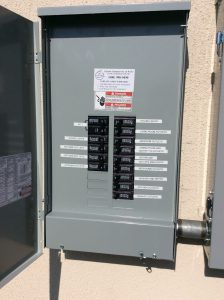
 The electrical panel can be a confusing subject for many homeowners. That grey metal box determines how electricity flows in your home and the capacity of your electrical system. Here are some questions and answers to help you know your panel more and explore the mystery around it.
- Can I install an electrical panel in the bathroom?
The short answer to this is no. When installing electrical conductors or equipment, you must consider the environment they will be used in. For example, electrical conductors to be used in a damp environment must be marked for that. And to install a panel in a bathroom, all the electrical components have to be marked for indoor wet location. This is neither feasible nor economical. Hence, an electrical panel is always installed in a place it can be kept dry, protected, and minimize the quantity of electrical wiring needed to reach other locations in the home.
- Should home surge protectors be installed in the main electrical panel?
Yes! Whole house surge protectors protect your appliances during power surges and help you avoid the hassle of having to replace them. In the upcoming 2020 NEC, there is a proposal that whole home surge protectors be installed with every new electrical panel installation; including replacements.
- Is it mandatory for electrical panel circuit breakers to be labeled?
Yes, the electrical code requires that electric panel breakers circuits be labelled. This labeling is vital for the safe operation of the panel, especially when there is an emergency. The circuit breakers should be labeled in such a way that it is easy for anyone to tell what circuit serves where. There should also be a circuit directory on the inside of the panel door capable of enduring much wear and tear. The initial labeling of the circuit breakers takes only minutes.
- What are the spacing rules for receptacle outlets on kitchen countertops?
For this to come into play, recall that you would often need to use an appliance on the countertop. Most appliances come with cords up to 24-inches or more. So, receptacle outlets are installed in a work space 12-inches or wider. They are installed in such a way that you can’t go over 24-inches along the wall line without reaching an outlet.
- Can I use nonmetallic cable ties in an electrical panel?
Yes, this is a solid way to keep the electrical conductors neatly grouped and the installation looking professional.
- Do I install a GFCI device in the panel or a receptacle?
When it comes to GFCI devices, the most common options today are GFCI receptacles and GFCI circuit breakers. Using a GFCI circuit breaker means everything connected to that branch circuit is protected and this would be an ideal option. However, for existing systems, using a GFCI circuit breaker might not work correctly. GFCI receptacles are preferable in such situations.
To know more about your panel or get an inspection for any electrical issues, connect with the Service Team at The Electric Connection.
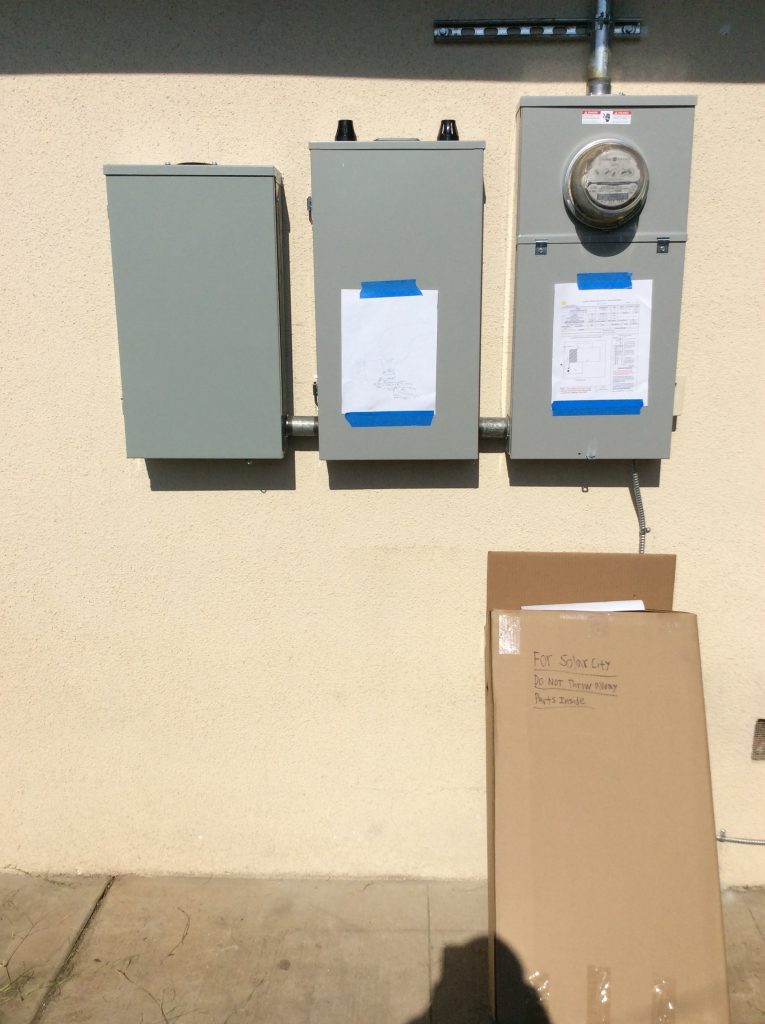 Your home’s electrical panel provides power to all electrical components of the home. But sometimes the electrical panel may need assistance and this is where a subpanel comes in.
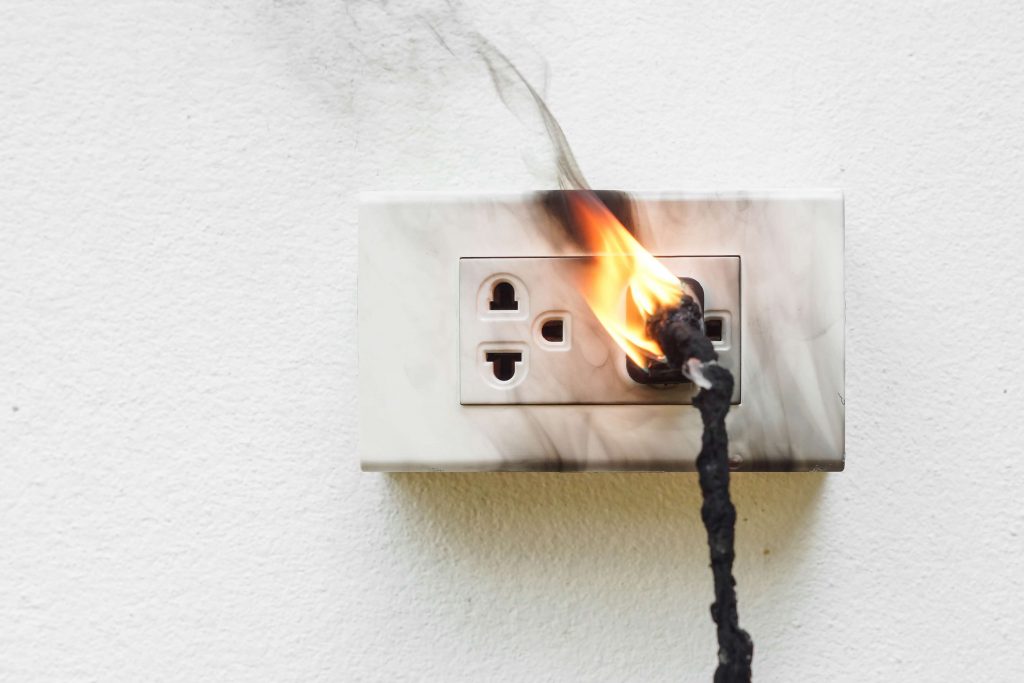 Electricity has been with us for decades. The industry continues to make new discoveries and update on former methods and as a homeowner, it might seem tasking to keep up. The good news is with every innovation comes safer, more efficient, and convenient electrical systems. You get to enjoy all the benefits still.
 It’s just annoying to live in a home that does not have enough power. The voltage will drop frequently, and this can be damaging to your electronics. Situations like this indicate that you need to upgrade your electrical panel. Other reasons why you might need to upgrade your panel include:
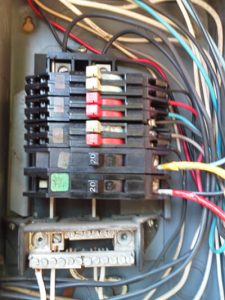 In the past, many homes could get away with using at most a 60 – 100 Amp service. But as technology evolves every day and homeowners are exposed to more and more appliances, 100 Amps can no longer cut it for most homes.
  When you are not up for the huge investment on a central AC, a window AC may be your next best option. A window AC is typically installed at the window but unlike a central AC, they only service the rooms they are installed in. Only a central AC can cool all or many rooms at once. Read on as we explore what a window AC could mean for your energy bills.
 Taking out the drywall might make a rewiring project less complicated. The only problem is the stress it places on a homeowner.
  Knowing the size of your main electrical panel informs you of how many appliances you can run. It helps to determine if your panel can supply the electrical power you need after a renovation or room expansion. It also helps you decide if an upgrade is necessary.