

 The words ‘electrical contractor and electrician’ are often used interchangeably. Many people do not know the difference between both but assume they mean the same thing. In this article, we will discuss what an electrical contractor does and how they are different from an electrician.
An electrical contractor is a business person or company that performs specialized tasks or construction work in relation to the installation, maintenance, and design of an electrical system. In simpler terms, an electrical contractor can be either a firm or a person who performs electrical tasks. An electrician is a personal tradesman. Electricians are employed by electrical contractors.
Job Duties and Description
The duties of an electrical contractor include the installation and maintenance of electrical systems. These are performed on building wiring, breaker box, switches, light fixtures, and so on. Electrical contractors work on residential, commercial, and industrial setting. Their work hours depend on the task at hand. Electrical contractors work within or outside a home or building, they are not restricted like electricians. For example, they may work on power stations while a regular electrician can’t. There are different types of electrical contractors and this makes their services specialized. Some electrical contractors are skilled in almost all areas.
- Line Electrical Contractors
Line or outside contractors work on electrical installations or maintenance which are located outside buildings. This primarily includes working on high-voltage power transmission and distribution lines. They ensure the power plant is functional and distributes power as needed into homes and buildings. - Inside Electrical Contractors
These group of contractors work within the boundaries of a property. They provide cabling, installation, maintenance, rewiring, and repair services within residential, commercial, and institutional buildings. - Voice/Data/Video Electrical Contractors
Also known as Integrated Building System Electrical Contractors, this type of electrical contractors work with low-voltage installations to ensure they are efficient, functional, and energy saving. These include power controls, backup power, wireless networks, energy-efficient lighting, fiber optics, telecommunications, and security systems.Becoming an electrical contractor requires an apprenticeship program of 4 years. Electrical contractors learn everything from math, electrical theory, blueprints, work safety, and National electrical codes.
Benefits of Using Electrical Contractors
As a business person or firm, an electrical contractor employs other professional electricians. Hence, work is faster, efficient, and most times affordable. You can also reach out to an electrical contractor for consultation, inspection, and other informational services before hiring to complete the job. They can advise you on the best installations necessary or suitable for your home or building. They can provide energy-saving alternatives and help you establish an overall dependable electrical system. Electrical contractors are experts in troubleshooting services and respond promptly to your needs. With electrical contractors, you are assured of experience, reliability, and professionalism. Unlike an electrician who is an individual tradesman, you can depend on an electrical contractor of a firm. They have integrity and access to all the equipment required for a project. An electrical contractor takes safety seriously. Contact us at The Electric Connection for your outstanding electrical services.
 A large number of house fires are attributed to faulty wiring.
 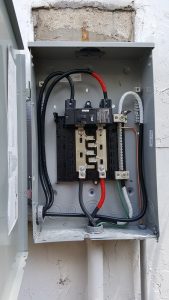 Panel upgrades are large projects. They require the expertise of a professional electrician and a good investment in funds. The electrical panels of a home contribute to its overall efficiency. In this modern age, we all rely so much on power to complete day-to-day activities. This power is distributed by the electrical panel of a home or building.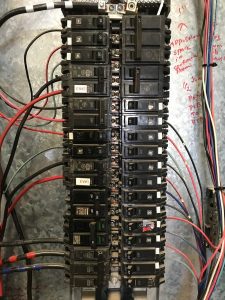
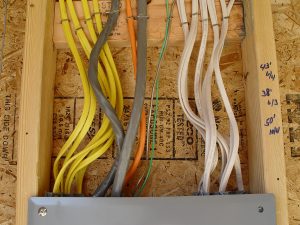
 The electrical panel is the center of electricity supply in a home or building. It is called several other names such as the distribution board and breaker panel. You can identify the electrical panel as a metal electrical service board, located outside the home, in the garage, or the utility room. It is a network of wires and switches.
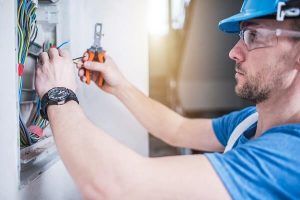
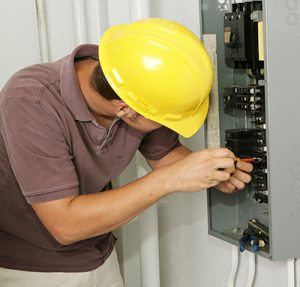 Electrical services are needed every day by homeowners and commercial buildings. It involves services for electrical wiring, panel upgrades, lighting installations, repairs, replacements, and so on. Electrical problems can be tricky and develop into hazards when handled by an inexperienced or uninformed person.
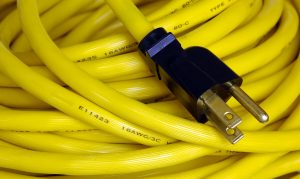 The short answer here is: no. But when it comes to convenience, we want more than just a short answer.
 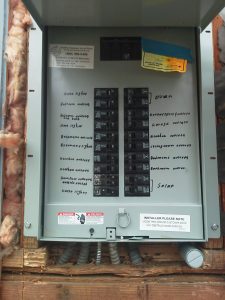 Today’s homes are energy vampires. We wake up in the morning, turn on the coffee pot, all the lights, maybe turn on the TV to catch the news. We have become so accustomed to having electricity, it doesn’t even cross our minds how the process of powering our homes work. Unfortunately, if we don’t learn, when something goes wrong, we won’t be able to fix it. As our need for energy grows, so must the ways we get power.