


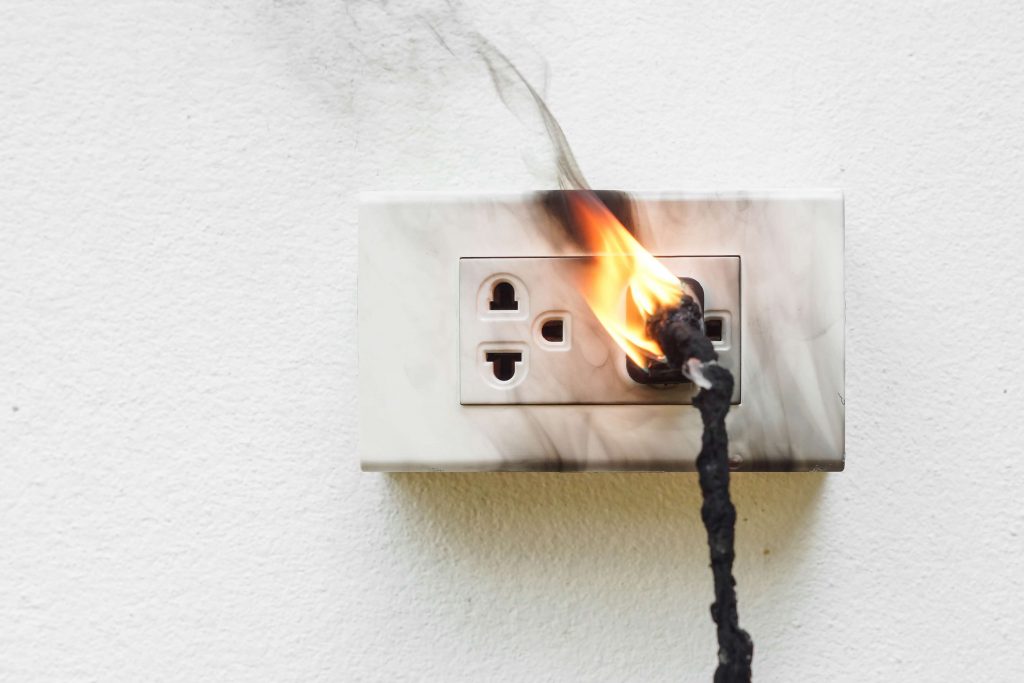
 Electricity has been with us for decades. The industry continues to make new discoveries and update on former methods and as a homeowner, it might seem tasking to keep up. The good news is with every innovation comes safer, more efficient, and convenient electrical systems. You get to enjoy all the benefits still.
Cloth wiring
It might seem strange to some, but if you have an old home, it’s possible you have cloth wiring. Cloth wiring is exactly what it sounds like. They are wires sheathed or insulated in cloth. They are easy to spot because of the clothed exterior. This type of wiring can be found in homes wired anytime from the first half of the 20th century.
Yes, at the time they seemed like a good idea and served their purpose. But as the industry progressed it quickly became clear that cloth wiring posed several risks to homes.
How did cloth end up on wires?
Electrical wiring of these modern times is often covered with PVC insulators. This protects from shock, short circuits, and arcing. These insulated cables are then run as a group into multiple-conductor cables or individually but still within a protective conduit. Plastic which is an ideal insulator for copper was yet to be invented at the time electricity was. Hence, all of these described above was unavailable. Cloth became a grand option.
In cloth-covered wiring, the conductors are first insulated with an early plastic better known as vulcanized rubber. After this, they were wrapped in braided cloth. They worked until the drawbacks set in.
Is cloth wiring a fire hazard?
Short answer – Yes. Long answer – It’s more than that.
Cloth wiring presents all sorts of dangers, especially in these modern times. For starters, the outer cloth sheath is prone to deterioration and so is the inner vulcanized rubber. Cloth wiring is also not only out of date but an easy target to be chewed on by rodents and rats. All of these leave the wires within exposed. This exposure can lead to arcing, short circuits, shocks, and ultimately fires. Electrical fires caused up to 440 deaths and 1,250 injuries every year for the period of 2012 – 2016. Even now, it leads to over $1.3 billion worth of property loss each year.
Having cloth-covered wiring might indicate your electrical system is not properly grounded. Older homes were improperly grounded at that time, and this poses even further risk to your home now.
What to do about cloth covered wiring?
If you notice you still have cloth covered wiring, it is likely time to consider an upgrade/rewiring project. It is a demanding project both financially and practically but in every way worth it for your safety and the safety of your property. An upgrade will provide you with replacements of any other aging material, a better electrical panel, GFCI outlet protection, grounding, modern three-prong outlets, and more.
If you are unsure about having cloth wiring in your vintage home, you can contact us here at the Electric Connection for an inspection.
 The right question should be, why not hire a professional Los Angeles electrician? L.A is a beautiful city with lots of action, celebrities, and so on to take up your time and energy. Why include DIY electrical projects to the mix?
 It’s just annoying to live in a home that does not have enough power. The voltage will drop frequently, and this can be damaging to your electronics. Situations like this indicate that you need to upgrade your electrical panel. Other reasons why you might need to upgrade your panel include:
 Perhaps the reason your potential customers always choose the competition over you is nothing more than online reviews. Research says that a whopping 86% of customers read reviews for local businesses before making a decision. In recent times an equally large number of customers decide based on good reviews.
 Finding a local electrician can prove daunting if you don’t know how or where to look. A local electrician is an electrician you can easily find in your area, state, or region. Several electricians have a wide service area that allows them to serve many areas at once as local technicians.
 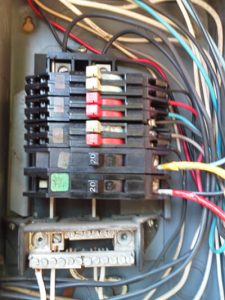 In the past, many homes could get away with using at most a 60 – 100 Amp service. But as technology evolves every day and homeowners are exposed to more and more appliances, 100 Amps can no longer cut it for most homes.
  When you are not up for the huge investment on a central AC, a window AC may be your next best option. A window AC is typically installed at the window but unlike a central AC, they only service the rooms they are installed in. Only a central AC can cool all or many rooms at once. Read on as we explore what a window AC could mean for your energy bills.
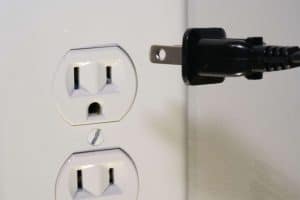 When one or more outlets in the home suddenly stop working it’s easy to assume the worst. Before you panic, it’s good to know that there are some things you can try to solve the problem. However, when these don’t work, be sure to call in the pros.
 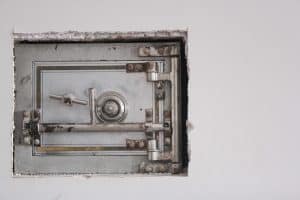 Think about it; a wall outlet safe actually looks like a wall outlet. So no one would think to look there for your valuables. A conventional safe, however, is a different matter. It stands out as an easy target for a burglar or friendly neighborhood thief. You may prefer to do without the stress of having a large showy safe. Therefore, it’s no surprise that wall outlet safes are getting more popular.
 The crazy amounts of money most families spend on their monthly electric bills is a problem most households are wondering how to counter. From air conditioners to water heaters almost every equipment in our homes today use electricity. Because of this, the secret to making your electric bills affordable is through ensuring the appliances in your home are not overusing the power.