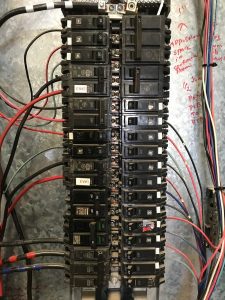


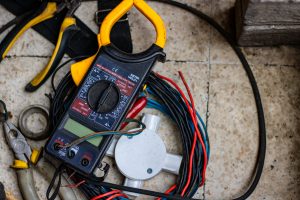
 Rewiring is one of the most difficult, messy, and disruptive maintenance projects you can perform in the home. It is equally time-consuming and costly but very necessary. The lifespan of the electrical installation in a home is usually 25 years. However, this duration can vary depending on use. The electrical system will have to be inspected every 10 years if it is in a privately owned property or every 5 years for a rented property. This inspection guarantees electrical safety.
There are several reasons a homeowner or property investor might consider rewiring a house:
- You may want to sell an old home and decide a full house rewire is a great way to add value to the property.
- You may have hired an electrician for a routine inspection and discovered that your electrical system is less than ideal.
- You may buy an older home and want to be sure of safe and dependable electricity.
- You may be experiencing tell-tale signs such as flickering lights, warm outlets, mild electrical shocks, dimming lights, tripping switches, blown fuses, and more.
- You may be carrying out a renovation project.
Whatever your reasons for a house rewire, it is important to know what it involves and what to do or expect.
The Cost
The truth is, a full house rewire doesn’t come cheap. If you consider only the costs first and opt for lower quality service, you may place lives and property in danger. A house rewire must be carried out the right way.
The Process
Usually, this rewiring project may take up to four or five days to complete. The size of your home and the number of electricians working may also influence the time it takes to be completed. The first step for all electricians is to inspect and prepare the property. The wiring in your home is set in the ceiling, behind the walls, and within the floorboards. All of these need to be assessed and exposed to work on. You will also be asked to specify any preferences for outlets. Anything that stands between your wiring and the electricians will be taken down to gain access. This is what makes rewiring disruptive and messy.
The first work stage of the house rewiring process is called the first fix. It involves installing new wiring, cabling, back boxes, and circuits. The lighting and socket positions are labeled to make the second fix stage easier. The second fix stage commences after the first fix and it involves the installation of light fittings, socket fronts, light switches, and isolation switches. Next, the consumer unit is set up and connected to the new wiring system. After this step, your new electrical system will be live but a professional electrician won’t leave just yet. They will proceed to test everything and ensure it meets with electrical standards.
At The Electric Connection we follow this procedure thoroughly and work to make things easier for you. We are quick and professional. We guarantee a safe electrical system that adds value and convenience to your home.
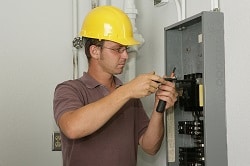 The words ‘electrical contractor and electrician’ are often used interchangeably. Many people do not know the difference between both but assume they mean the same thing. In this article, we will discuss what an electrical contractor does and how they are different from an electrician.
  We often see light fixture installations as the easiest tasks of an electrician. Hence, most people try to do them without professional help. A light fixture is described as an electrical device containing an electric lamp. They usually come with an installed switch for users to control the light. For light fixtures to work, they must be connected to a power source. Common examples are your ceiling lights, chandelier, outdoor lights and so on.
 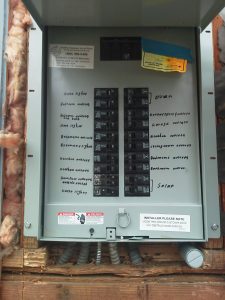 The electrical panel in the home is where your electricity is distributed. Some electrical technicians describe the panel as a box of switches and wires. It is where you can find the individual breakers responsible for sending power to specific parts of the home. Most times when there is an electrical problem, homeowners use these switches to turn off or turn on the power.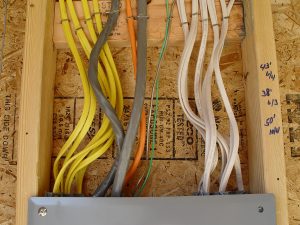
 An electrical contractor will always tell you that good lighting is everything. These are not empty words as both homeowners and store owners can agree. The benefits and functions of light in any location are numerous. It is one of the primary reasons we use electricity. Lighting illuminates a space to give you clarity and vision, but in contemporary times they do even more. Lights can boost your business in a commercial building. They can improve security, productivity, and efficiency. Also, studies have shown that lights can be associated with good mood and a relaxed mind.
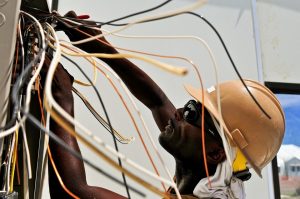 A large number of house fires are attributed to faulty wiring.
 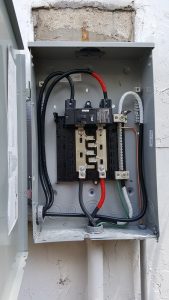 Panel upgrades are large projects. They require the expertise of a professional electrician and a good investment in funds. The electrical panels of a home contribute to its overall efficiency. In this modern age, we all rely so much on power to complete day-to-day activities. This power is distributed by the electrical panel of a home or building.
  High-occupancy vehicle lane which is popularly known as HOV lanes is a traffic lane restricted and reserved for use by vehicles with a driver and one or more passengers. The minimum number of occupants is 2 to 3. In simple terms, the aim of this traffic lane is to get as many people off the road as possible to reduce traffic and air pollution.