


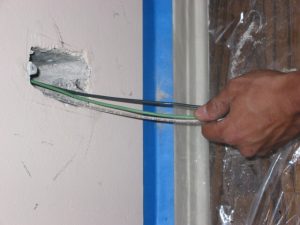
 Rewiring your home can be a tough or easy process depending on how you approach it. However, it’s an electrical project that must be done once it’s necessary. It’s good to wonder what’s involved and how electricians rewire a house. Read on as we explore this.
What’s involved in rewiring a house?
The first thing to know is that rewiring can be messy and disruptive despite how much your professional electrician tries to keep this smooth and easy. The walls will have to be drilled into, and the flooring lifted in some cases. Your electrician will;
- Install new cables
- Rewire sockets
- Add or move outlets, switches, light fixtures, and so on.
- Fit new back boxes on outlets and switches
- Add wiring for a smart home if needed.
Also, home rewiring projects usually occur in two stages, which are;
- Replacing circuits and back boxes, cabling, and wiring for the first stage.
- The second stage involves installing lighting fittings, faceplates, switches, testing, and setting everything up for use.
How is a home rewired?
- Step 1 – Get the required permits and codes
A rewiring project will need a permit from your local building department. The electrician will pull the permit while you cover the expenses.
- Step 2 – Access the walls.
Depending on the condition of your home (lived in or vacant) the electrician will have to determine how he plans to access the walls of your home. After making this plan, he will figure out any new cable locations too. Most of the new wiring will have to be run through the attic and crawlspace before entering the walls. With a plan in motion, the electrician will shut off power to your home to begin.
- Step 3 – Drill new holes and rewire outlets
It might become necessary to drill new holes to rewire outlets, switches, or install fresh wiring for future appliances. A professional electrician with skill can do this easily and protect your walls from excessive damage.
- Step 4 – Determine the number of circuits
Chances are you are rewiring your home because it’s an old home. Most old homes lack enough circuits to meet the demands of modern homes. A professional electrician is updated and knowledgeable of the recent National Electrical Codes and can identify the appropriate number of circuits following these guidelines.
- Step 5 – Replace your service equipment
Rewiring your home can mean changing the wiring in addition to replacing your service panel. It’s up to your licensed electrical technician to find out if your electrical panel needs to be repaired or replaced to suit the new wiring.
When is rewiring necessary?
Rewiring offers many benefits such as more power, efficiency, and safety in your home. But it can only be done when necessary. You can call an electrician to see if you need to rewire your home in any of the following situations;
- You live in an old home
- You are planning on a major renovation
- You are adding new major appliances
- Your electric system is unsafe

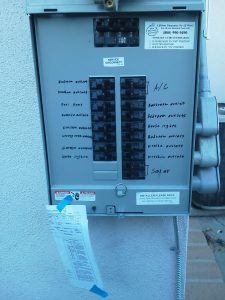 A safe electrical system is invaluable to every home and if you have a Federal Pacific Electrical Panel (FPE), replacing it is the best solution to ensure your electrical safety.
 Your house is not the scene of a horror movie. So, in most cases when you have heard a certain buzzing sound more than once, it’s probably real and not your mind playing tricks.
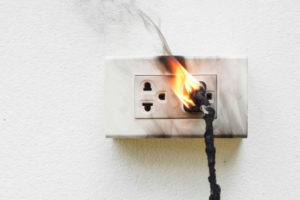 Your electric system works 24/7 providing the power you need to make life easier. While you might wish this efficiency can last forever, this is usually not the case.
 When something goes wrong with your electrical system, the first person you consider calling to fix the problem is an electrician.
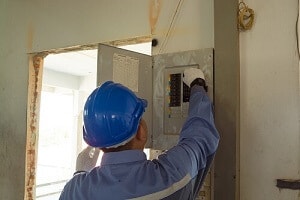 Some electrical issues are more common than you think. They occur in almost every home with electricity and while they may be no one’s fault sometimes, it’s often because your electrical system is subject to getting worn out. Read on as we discuss the most common electrical issues in Los Angeles homes and how to handle them.
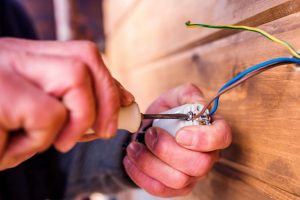 A new home comes with the excitement of setting up things just the way you like them. You could be eager to try out different colors and textures; explore flooring options, window placement, and so on. Getting everything done to your liking is what makes your new home feel truly yours. But, in all your planning, it’s important to consider creative electrical wiring options that may come in handy sooner than you know.
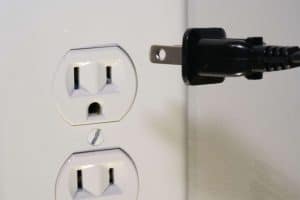 This question would often come up if you are considering doing some electrical work yourself. While DIY is great and even cost-effective for some tasks around the home, electrical works are very different and some rules apply.