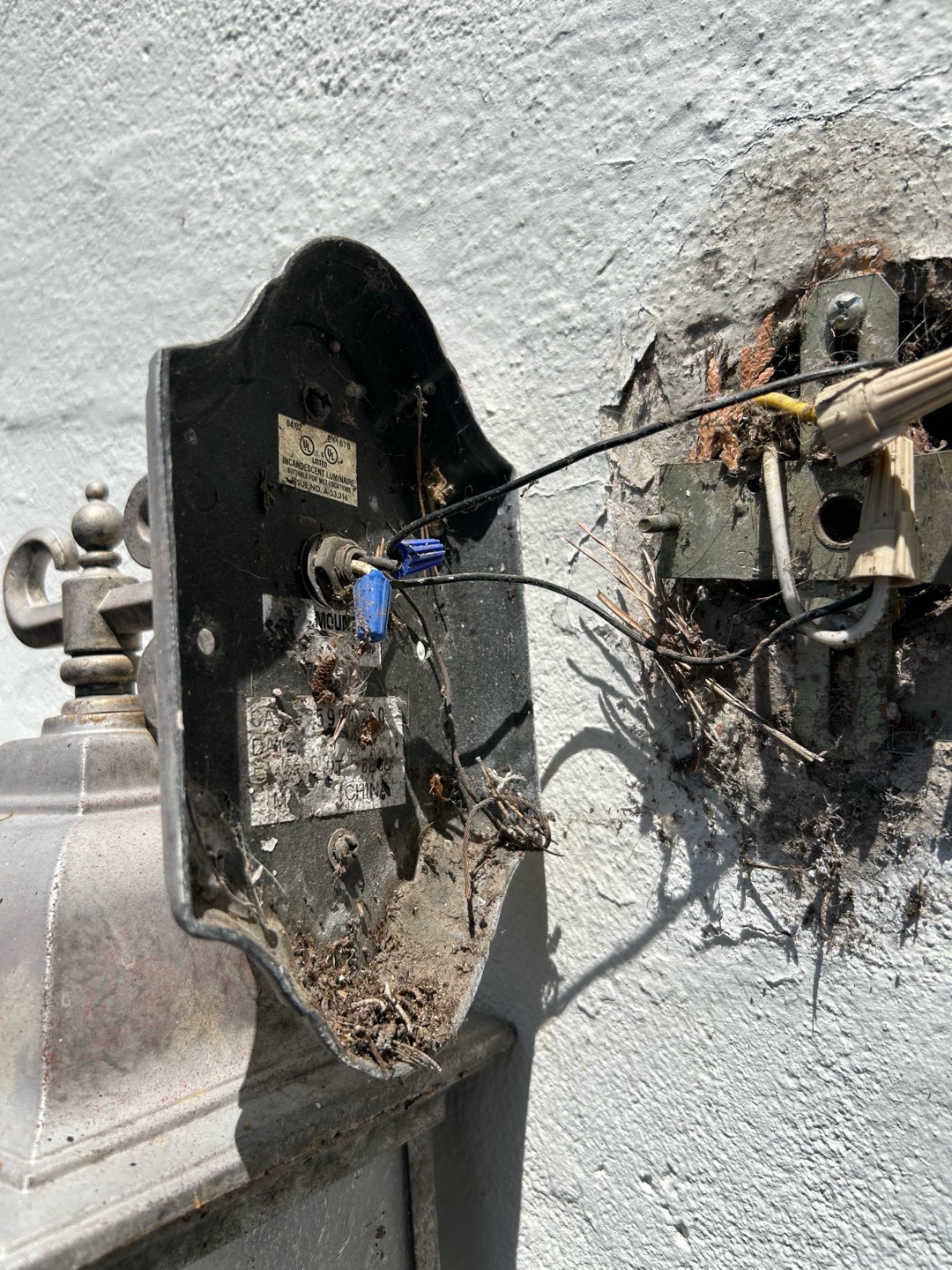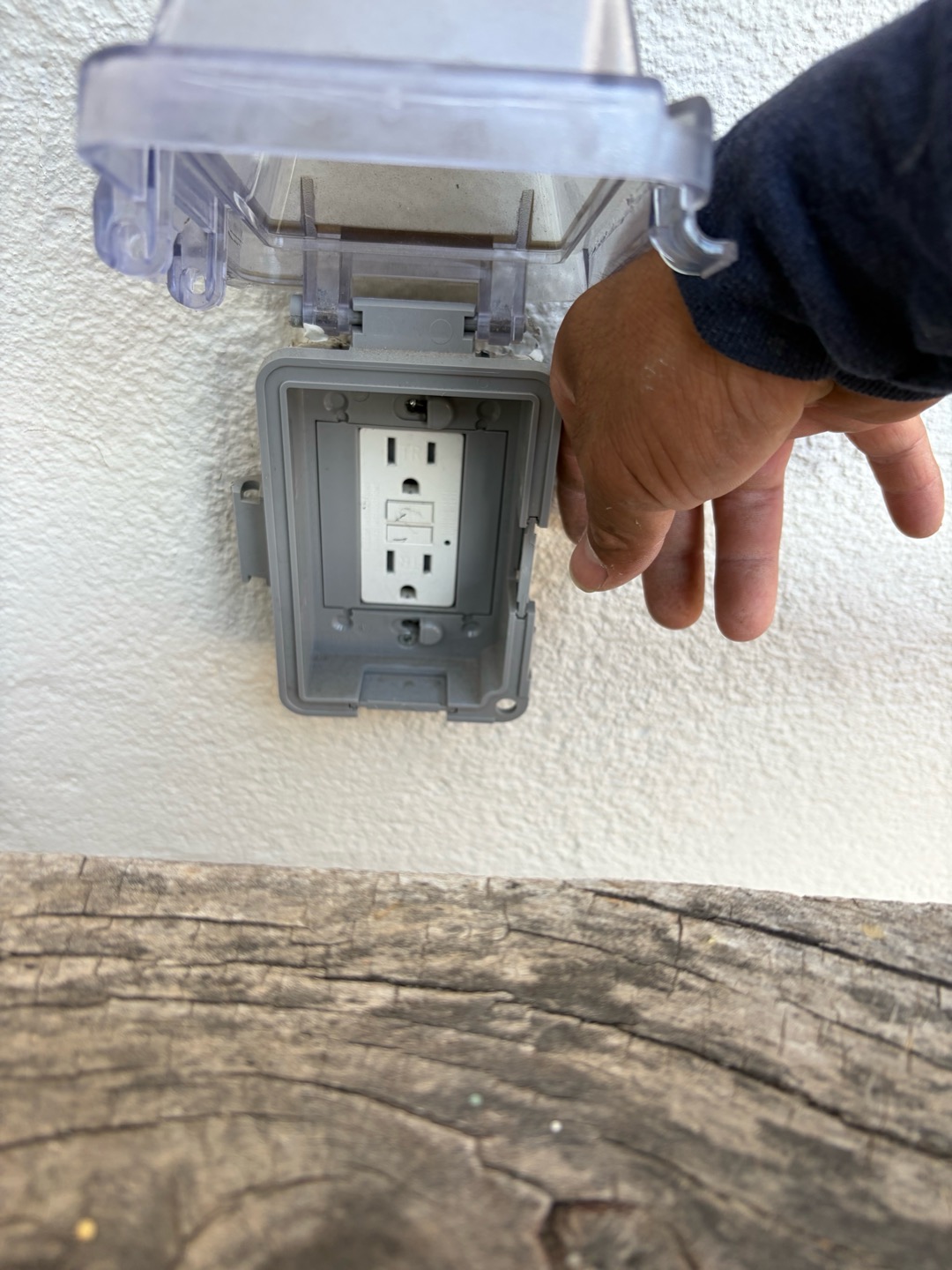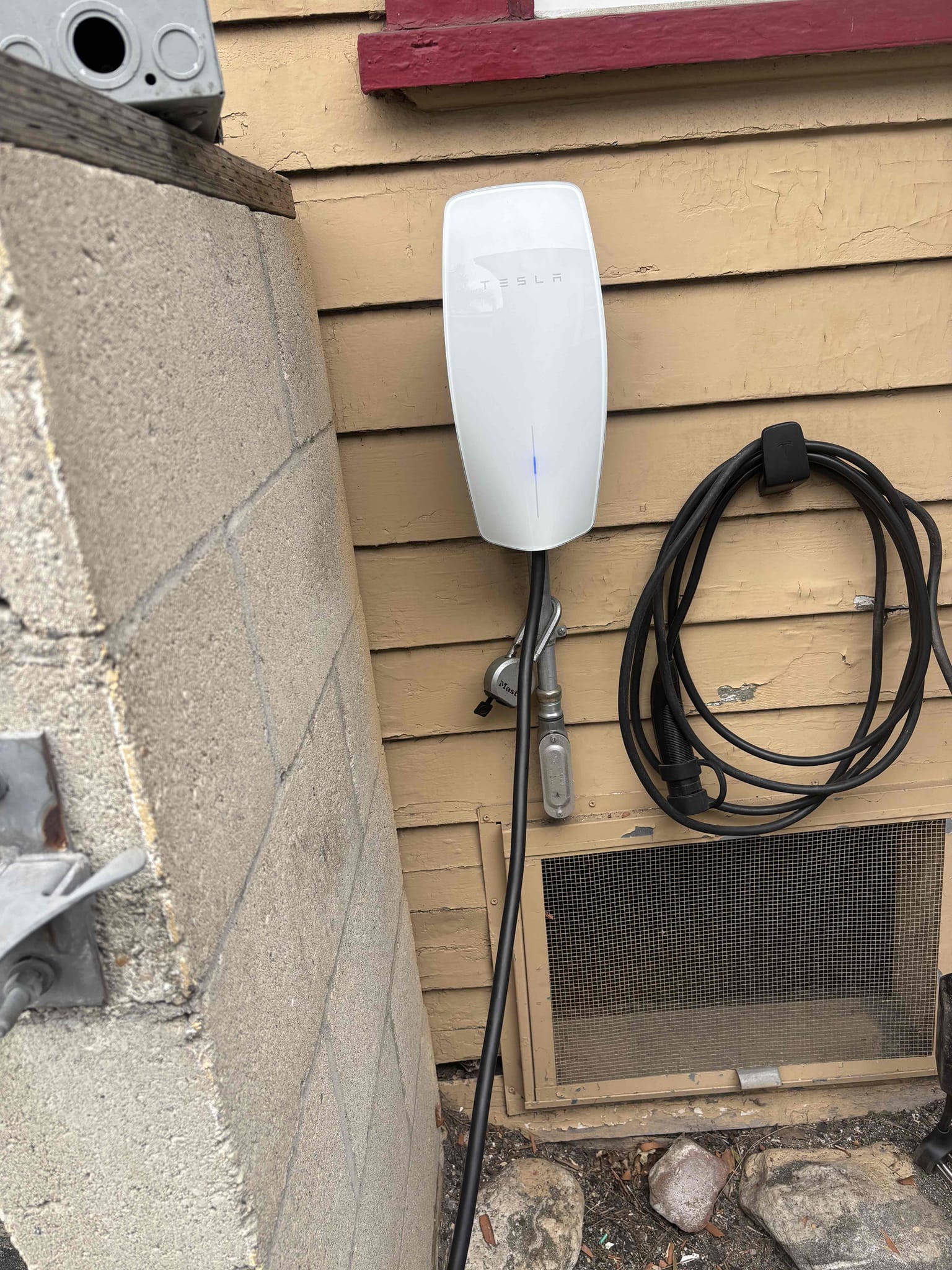
Harwired Tesla Wall Connector installed outside

Powering Up: A Seamless EV Charger Upgrade in Los Angeles

Harwired Tesla Wall Connector installed outsideAs electrical contractors here in Los Angeles, I’ve seen firsthand how quickly our city is pivoting toward electric vehicles. While many residents start out using standard wall outlets or NEMA receptacle, they often realize pretty quickly that a faster, more permanent charging solution is a game-changer for daily life. We recently completed a project that perfectly illustrates this shift.
The Project: From Receptacle to Hardwired Reliability
The goal for this particular job was to streamline a residential charging setup. The homeowner had been using a NEMA receptacle—basically a heavy-duty plug-in outlet—but was ready to upgrade to a hardwired EV charger.

Hardwiring a charger is a popular choice for several reasons:

  • Increased Reliability: It creates a direct, permanent connection to your electrical system, reducing the wear and tear associated with frequent plugging and unplugging.
  • Cleaner Aesthetics: It eliminates the bulky plug-and-receptacle look for a sleeker, more professional finish.
  • Enhanced Safety: By removing a point of connection (the plug), you reduce the potential for heat buildup over long charging cycles.

How We Handled It
Working on-site in Los Angeles, our priority is always a combination of efficiency and strict adherence to safety standards. For this task, we removed the existing NEMA receptacle and replaced it with a direct hardwired connection to the charger.

Even for a straightforward replacement like this, we treat every job with a “workmanlike manner” to ensure the homeowner has total peace of mind. This specific project was completed and paid for on the same day, getting the client back on the road with a faster charge in no time.

Why Details Matter
In a busy city like ours, we know our customers value transparency and protection. That’s why we stand behind our work with a lifetime labor warranty. Whether we are upgrading a panel or simply hardwiring a new charger, we want our neighbors to know the job was done right the first time.

It’s always rewarding to help a fellow Angeleno make their home a little more future-ready.

Apartment Panel Upgrade: Overcoming the “Hidden Pipe” Challenge

Hello from the team at The Electric Connection!

We wanted to share a behind-the-scenes look at a recent project we completed at a property in Los Angeles.

Electrical work in older apartment buildings often presents “surprises” once you open up the walls, and this job for Unit 1 was no exception.

The Challenge: A Tight Squeeze

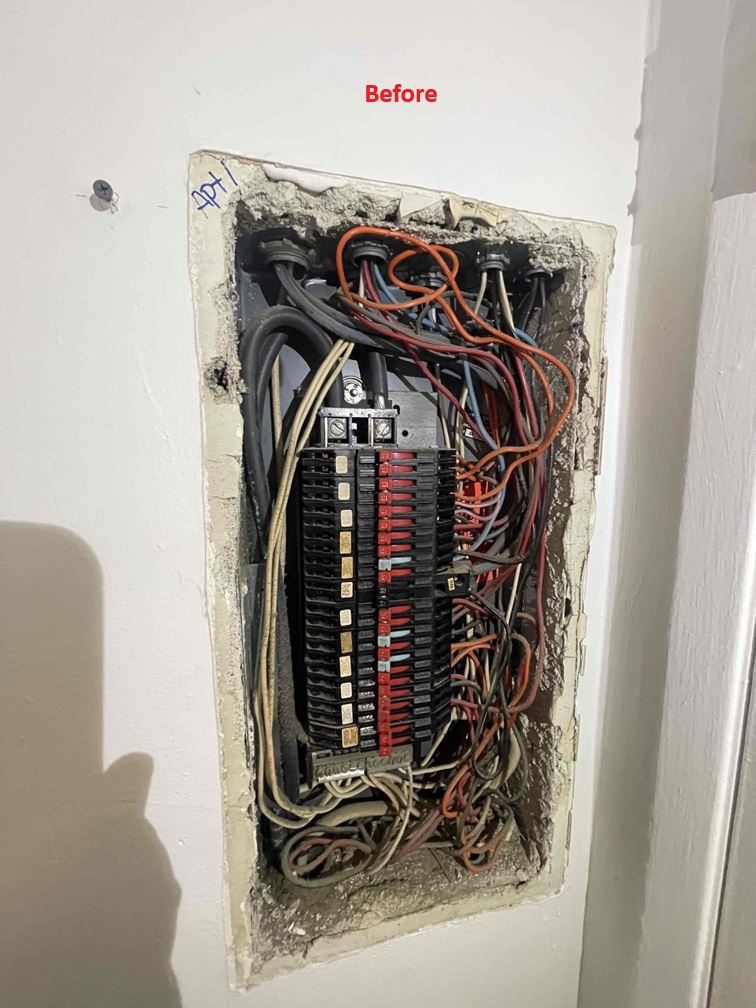
When we began the process of installing the new sub-panel for Unit 1, we ran into a significant roadblock. Upon opening the wall, we discovered a 1.5″ electrical conduit feeding the unit directly above (Unit 5).

The space was extremely restricted:

  • To the right: A door.
  • To the left: A closet.
  • Behind the wall: Another closet.
  • Structural Integrity: A 4×4 hold-down that we absolutely could not cut.

Our Professional Solution

Because we couldn’t relocate the panel, we had to get creative. We determined the best course of action was to cut the existing electrical pipe, intercept it into the new panel, and bypass it to continue up to the upper unit.

To make this work:

  • We replaced the rigid “hard pipe” with flexible conduit.
  • This required cutting the wall from top to bottom to allow for the necessary maneuvering.
  • Because of the pipe’s position, the new panel now sits about one inch away from the wall.

To ensure a clean, professional finish, we are installing custom 1″ wood trim around the panel frame.

Results and Reliability

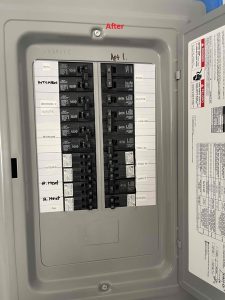
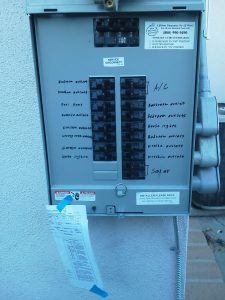
After a full day of work by our dedicated crew, Unit 1 now has a modern, fully labeled, and safely installed sub-panel. As you can see below, every circuit—from the kitchen to the FAU (Forced Air Unit)—is clearly identified for the tenant’s convenience.

At The Electric Connection, we pride ourselves on a “workmanlike manner” and provide a Lifetime Labor Warranty on our installations. Whether it’s a routine upgrade or a complex bypass like this one, we make sure the job is done right.

Need an electrical expert for your property? Contact us today at (818) 446-0888 or email service@electricconnection.com.

How to Pull an Electrical Permit in Los Angeles

pulling permit in los angelesNot all projects require a permit, but most electrical works do. In Los Angeles, it’s easy to pull an electrical permit if you meet all the requirements. Since pulling permits differ from state to state, we have put together the Los Angeles guide you need.

An electrical permit is an approval you get from your building department to go ahead with electrical projects in a home.

In Los Angeles, you will need electrical permits for any kind of electrical works. These include work related to;

  • All residential and commercial buildings
  • Installing a new electrical panel
  • Installing a new sub panel
  • New buildings or addition to a building
  • Any electrical installations over 600 volts.
  • Installations of lighting including exits lighting and security lighting.
  • Installations in hazardous locations.
  • New, expanded, or replaced electrical items
  • Installation of a complicated electrical system as determined by the Department, such as Emergency, Legally Required Standby, Fire Alarm, and Gas Detection Systems.

The Permit Process

To pull an electrical permit in Los Angeles, you must first file electrical plans with the indicated department. These plans and the first step are referred to as electrical plan check. Only when this plan check has been approved or deemed not required will a permit be issued.

Electrical permits in Los Angeles can also only be issued to an electrical contractor with the appropriate license, the property owner, and or an agent representing either the contractor or the property owner.

Why it’s important to pull a permit when necessary?

Pulling a permit in Los Angeles may seem like a hassle to you, but it’s necessary if you want to avoid certain unfriendly situations. Electrical work carried out without a permit is considered illegal. Such unpermitted work can cause even more problems in the future if the option of a resale comes up. There’s also no assurance that the work was done up to code.

Where can I obtain the permit in Los Angeles and how much time is involved?

You can obtain an electrical permit from the local Building and Safety District Office serving your area. For online permits, you can go through Los Angeles County’s Electronic Permitting and Inspection (EPIC LA).

For simple projects that do not require a plan check, you can get an express permit when you apply online.

For small-medium projects, a plan check can take 45-60 minutes and as the projects get larger, plan checks extend to even weeks.

After obtaining the permit, the permit expires within 12 months if work has not started from the time it was issued.

It’s possible to get an extension on your permit, but that might require an extra fee.

How to make obtaining an electrical permit in LA easy

Start by hiring a professional and licensed electrician for your electrical needs. It’s legal, easier, and safer to let this experienced technician pull the permit for your project. All you will need to do is likely to bear the cost.

Licensed electricians can get permits faster and pass inspections easily too. They are also updated on current codes, and this saves you any future problems.

Virtual Events in Los Angeles

If virtual events were hardly a big deal before, they sure are now. Several guidelines to help protect everyone from the pandemic have made it impossible to enjoy most events in public as we did before. Consequently, many scheduled events have been canceled, some postponed, and others going virtual.
In Los Angeles, there are still many things that give a sense of normalcy. Our safe and efficient electrical services at The Electric Connection are one of such. Plus a wide range of virtual events available through various channels or media.

  • LA Food Bowl

The food bowl you’ve always known involved gathering together over a meal. It is targeted at celebrating restaurants and promoting a sense of community. With COVID-19 restructuring the way we do everything, it’s not possible to hold the food bowl event as before. Hence, a virtual version was created alongside a donation program to hold the LA Food Bowl where you are. The event is scheduled for October 17th and features a Cook-a-thon with 30 chefs and celebrities. There’s also a tasty takeout list to keep you satisfied and help local restaurants through this time.

  • We Can Teach You That

Traveling during this time is possible, but traveling safely is what you need to do. LA Times travel writer Christopher Reynolds will show you How To Travel Safely (If You Must) in a virtual event come October 27, 5:00 pm. This event is part of a new virtual series – We Can Teach You – hosted by the LA Times. You can stay updated with this virtual series to gain new and useful knowledge. This travel safe course will include;

  • How to reduce risks as you travel post-pandemic
  • How to fly safely
  • Day trip ideas
  • Real-life stories/experiences traveling since March
  • Advice from local and state officials
  • Update on travel restrictions both locally and internationally.


  • Eat See Hear

Just as it sounds, this virtual show is about a good meal and a good watch or show. The Los Angeles Times kicks off another season of Eat See Hear. You will receive highlights for food trucks and restaurants across LA with the perfect menus for a SHOWTIME Sunday lineup.

  • Festival of Books, Stories, and Ideas

For the last 25 years, the LA Times has brought the Festival of Books, Stories, and Ideas to book lovers, authors, and others interested. Now, due to the pandemic hosting a physical event won’t be possible but that isn’t stopping this 25th festival of books from happening. The event has gone virtual beginning October 18th and lasting over the next 4 weeks. You can follow the festival on social media and secure your virtual seats for this free event.

More and more events are scheduled every day to ensure you keep going and not miss a thing.


Reasons to Upgrade to a 200 Amp Service

You certainly love the confidence and convenience of plugging in any appliances you need whenever you need them. You love this so much that it becomes easy to forget that your electrical panel cannot give more than its capacity.

According to experts, electricians, recent electrical codes, and homeowners who have had unique experiences, the standard capacity for an electrical panel is a 200 amp service. If you have less, then you probably require an upgrade. Here are all the reasons why.

Amps and Your Electrical Panel

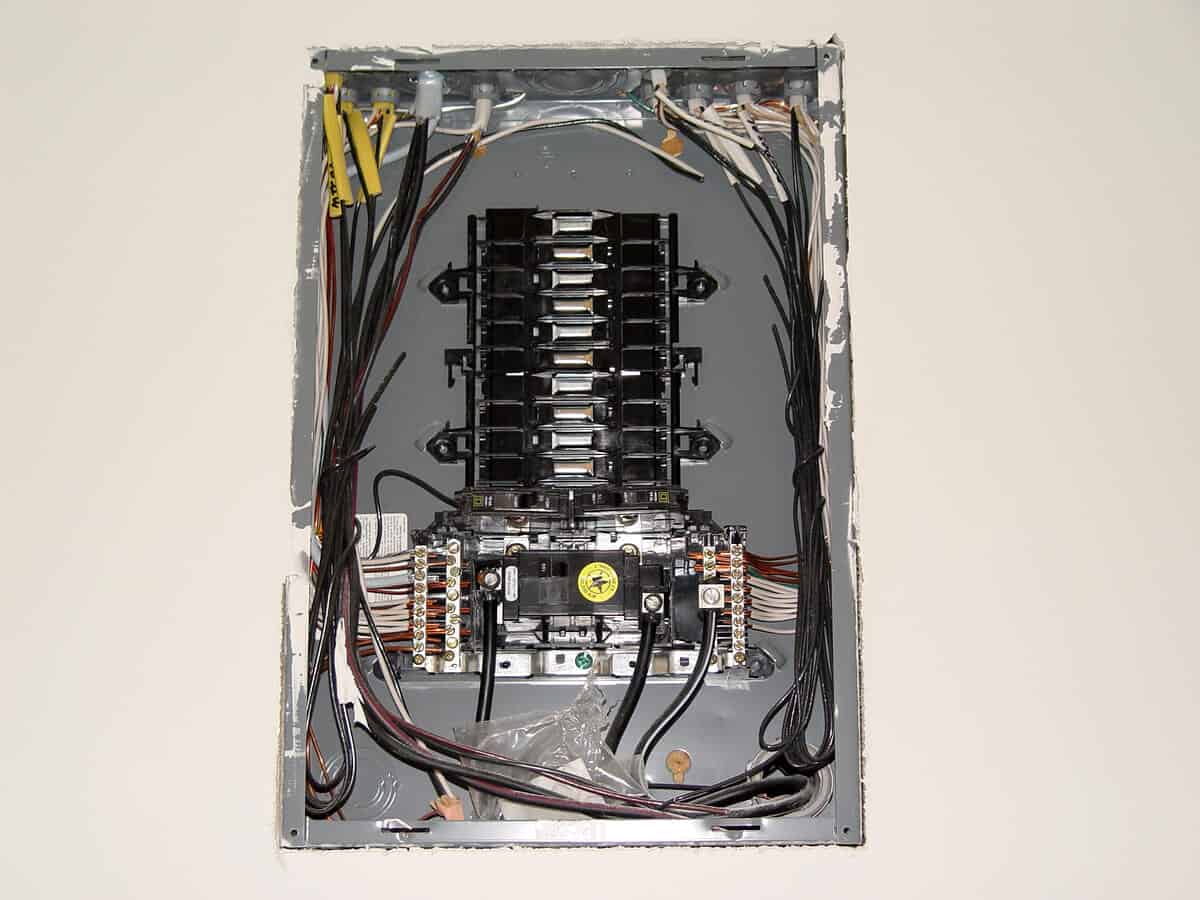
The industrial grey box in that safe, dry area of your home distributes electrical power across circuits that serve you. This box is the electrical panel or breaker box, and every panel has its dedicated capacity. Depending on how much power you need, your electrical panel can be between 100-400 amps.

Old homes often used 60-100 amps panels because they had fewer electrical demands. Using similar sized panels in these modern times can be insufficient for your home needs. It can lead to fire hazards, lights out, faulty appliances, and much more.

Why upgrade to a 200 amp electrical panel

  1. To enjoy increased capability and safety

Electrical panels often work at a certain maximum capacity. This helps to ensure the safe working of the panel. Going over this safety threshold can not only cause your breaker to trip, but can also lead to a fire caused by overloading circuits/outlets.

  1. More circuits

With an upgraded 200 amp panel, you get enough room for dedicated circuits. This further improves electrical safety and allows you to run an increased number of appliances and more power demanding appliances without your breaker tripping.

  1. Future demands

Switching to a 200 amp breaker is one of those good decisions that helps you prepare for the future. With this service upgrade, you can add new devices, remodel your home, and do much more without worry.

  1. Everything is just easier

Another solid reason to upgrade to a 200 amp service is the increased efficiency you get to enjoy. Everything is simply much better and easier with a 200 amp panel. The panel is easy to reset and repair with compatibility for GFCI circuits.

How to know you need an upgrade

  • Breaker tripping frequently
  • Dimming lights, especially when appliances are turned on
  • Buzzing or crackling sounds.
  • Breaker won’t reset

Always confirm the exact source of your electrical issues from your electrician.

Humming Noise from Electrical Panel

You are right to worry about suspicious buzzing or humming electrical noises around your home. Electrical systems are designed to work quietly, offering you power and efficiency with no hassle.

Your electrical panel controls the power supply in your home while keeping you safe from electrical hazards. Hence, any annoying or worrying sounds from the panel could indicate problems of different kinds. See what these noises could be and what they might mean below.

  1. A light buzzing sound

By a light buzzing sound, we mean a faint buzzing sound from your breaker. It’s not the type to keep you up at night or be highly noticeable. The cause is often current flowing through the breaker, like water flowing in some direction. This light buzzing sound is generally normal and harmless. But, if it gets louder or involves clicking and other horror-movie sounds, be sure to call an electrician.

  1. Medium humming sounds

This sound is louder and more obvious than a light buzzing sound. It can take various forms such as a sizzling noise, sparking, a clicking noise, or a humming breaker. So you can hear sizzling sounds with occasional sparks and this certainly means something is wrong with the circuit breaker. The cause may be frayed and loose wiring which is incredibly dangerous and an electrical hazard. It is necessary to call an experienced electrical technician to replace and repair the wiring quickly.

  1. Loud and continuous buzzing sounds

Now, this is what keeps you up at night. Constant loud buzzing sounds can be disturbing because they are loud. The cause often stems from the breaker not tripping when it should, and this, in turn, indicates that the breaker is bad. Your electric breaker shuts off the power supply during a power surge to protect your home. But when it fails to do this the flow of current to the wires increases leading to a buildup of heat, the loud buzzing sound, and an electrical hazard. Circuit breakers go bad for several reasons such as wear and tear and a faulty panel. This humming noise should not be ignored, and an electrician should be called immediately.

A buzzing and humming sound is normal if…

The sound isn’t loud as we have described above.

If the buzzing sound starts right when your AC comes on but stops once the appliance is working smoothly.

Trying to solve this electrical issue yourself can be very dangerous. Therefore the first and safest way to solve humming and buzzing noise from your electrical panel is to call a licensed and experienced electrician.

It may be time for an electrical panel upgrade — contact an electrician for more information.

What’s the Cost To Replace Federal Pacific Electric Panel?

panel upgrade los angelesA safe electrical system is invaluable to every home and if you have a Federal Pacific Electrical Panel (FPE), replacing it is the best solution to ensure your electrical safety.
Federal Pacific Electrical Panels are commonly found in homes between 20 and 70 years old. These panels were first introduced by Reliance Electric in the 1950s and quickly became installed in millions of homes across the country. It was soon discovered that FPE panels were unsafe and present a great risk to homes that use them.

Your home’s electrical panel distributes electrical power safely across all circuits. It is also built to ensure protection by tripping off in situations like a short circuit, circuit overload, power surge, and so on. If the breaker cannot do this, the chances of an electrical fire starting increase dangerously.

How an FPE breaker puts your home in danger.

According to reports from the United States Consumer Product Safety Commission (CPSC), Federal Pacific breakers may fail to trip during an overload or short-circuiting. FPE breakers have recorded high rates of not tripping when necessary for your electrical protection. It was also discovered that the breakers tend to enter a lock-up. A lock-up describes a situation where a breaker that has tripped once will never trip in the future regardless of dangerous conditions like an electrical overload.

Studies estimate over 2,800 electrical fires caused each year by a Federal Pacific Electrical Panel that didn’t trip.

Most of the unreliability of the panel is due to the use of cheap materials in its manufacture and their limited original design.

Distinct risks and problems posed by a Federal Pacific breaker also includes;

  • The crowded wires often found within the panel box.
  • The breakers to do not switch off even in the OFF position.
  • Arcing occurs at the bus.
  • The Federal Pacific breakers trip unexpectedly when the dead front cover is removed.
  • Breakers are often not tightly connected to the bus bar.

Electrical inspectors always encourage homeowners to replace and not repair a Federal Pacific Electrical Panel. Electricians may also hesitate or refuse to fix problems with these panels because they cannot guarantee the results or your electrical safe afterwards.

Identifying a Federal Pacific Electrical Panel

You may have a Federal Pacific Electrical Panel if your home is as old as between 20 to 70 years. Since the company no longer exists, you can’t purchase a new FPE panel. It can only be present if it was installed in older homes. You can identify an FPE panel with the labels or logos on the front cover. The common appearance is an orange and white label.

You can also look out for the name Stab-Lok written inside the panel or on the breaker. A signature red label across the front of the panel is another indication.

The cost of replacing a Federal Pacific Electrical Panel may vary across electricians, location, and other factors. The replacement can generally cost anywhere from $1500 to $2000, and even more.

The replacement will include any necessary repairs, rewiring, moving the panel location, and installation that are up to recent codes.

Los Angeles Electrical Contractors

local electricianWhen something goes wrong with your electrical system, the first person you consider calling to fix the problem is an electrician.
From homeowners to business owners, the terms electrician and electrical contractor seem like the same thing. However, contrary to this popular belief, an electrical contractor is not the same as an electrician. Read on as we discuss the difference between your Los Angeles electrical contractor and electrician.

An electrician is an individual qualified tradesperson. They may be employed by an electrical contractor or become self-employed as an electrical contractor.

Who is an electrical contractor?

An electrical contractor is a business person or firm that provides specialized electrical construction services. They handle the installation and maintenance of electrical systems and are also responsible for making sure these systems work effectively and safely.

Electrical contractors work in any settings such as a residential, commercial or industrial setting. Their work hours vary widely depending on what is needed for a project. Electrical contractors are classified by the type of work they do. They also hold the required licenses and insurance and can employ an electrician/electrical worker. Electrical contractors can also provide input into the design of a project. It’s crucial to help avoid mistakes during their work.

Electrical workers or electricians are not allowed to perform electrical services for the public unless they are under the employment of an electrical contractor.

Job duties of a Los Angeles electrical contractor.

There are several tasks to be completed by an electrical contractor. The overall tasks include design, installation, maintenance, customer service and administrative work. The customer service and administrative work of an electrical contractor often include scheduling appointments with customers, completing regulatory requirements, taxes and permits applications, and so on.

An electrical contractor is also tasked with inspecting electrical equipment, stringing wire, replacing worn electrical parts, bending conduit, lifting heavy objects, electrical repairs, handling high-voltage power transmission and distribution lines, handling low-voltage installations, such as wireless network, telecommunications, security systems, and more.

Electrical contractors coordinate electrical crews and work with other contractors like home builders. They are reliable and take their work seriously as they represent a business or electrical company.

Electricians are independent

While an electrician and electrical contractor can perform some same functions, an electrician remains an individual worker without the license and insurance to provide his/her service to a community.

Hence, electricians often work for electrical contractors, or directly for individuals or companies. You can hire an electrician directly, but to get a reliable, licensed, and insured electrician, you can always go to an electrical contractor.

The Electric Connection is a leading Los Angeles electrical contractor, we bring you the best electricians who are experienced, licensed, and insured to provide quality electrical services for any electrical needs. Contact us today.

Electrical Issues in Los Angeles Homes

Some electrical issues are more common than you think. They occur in almost every home with electricity and while they may be no one’s fault sometimes, it’s often because your electrical system is subject to getting worn out. Read on as we discuss the most common electrical issues in Los Angeles homes and how to handle them.

  1. Broken light switch

A broken light switch in your Los Angeles home can be due to any number of reasons. It could be due to damage because the switch is old, improper wiring and circuit faults, or the switch may have been overridden.

To fix this, turn off the circuit breaker and remove the faceplate with a screwdriver. Turning off the circuit breaker earlier would help you identify which one is broken. Ensure there is no electricity in the wires and disconnect the switch to fix it.

Type of electrical issue – Harmless.

  1. Cut extension cords

Extensions often come in handy in your Los Angeles home and can also easily get damaged. To fix a cut or damaged extension cord, cut off the old plug and peel back the insulation jacket to expose the wires. Strip each wire and connect/screw them to the new plug. Twist each wire and screw black to gold, green to green, and white to silver at the back of the plug. Close the plug.

Type of electrical issue – Harmless.

  1. Flickering lights

This horror scene trick can never be good news. Flickering lights often indicate a more serious problem such as poor connections, sparks, overheating, and more. They should be looked at and fixed as soon as possible. Contact an electrician if you experience flickering lights.

Type of electrical issue – Hazardous.

  1. Electric shocks

That unexpected zap when plugging in a device could either be no-problem news or bad news. Test the appliance by plugging into another outlet. A repeated shock indicates the appliance might have a fault or problem with your wiring. Call an electrician when you experience electric shocks to find the cause and solution of the problem.

Type of electrical issue – Possibly hazardous.

  1. Loose outlets

Loose outlets can be easy to spot when you’re trying to plug in something. If it’s bad enough, you might have the outlet hanging out of the socket or wall. Turn off the breaker to stop power from coming through the outlet. Use a voltage tester or power testing tool to confirm there’s no power in the outlet. Remove the cover plate and add new outlet shims until the outlet can fit firmly on the wall. Screw the cover plate back in.

Type of electrical issue – Harmless.

  1. Tripping breakers

Circuit overload is one of the biggest causes of frequent breaker tripping. This means that there are not enough power points in your home electrical system. Overload can lead to more than normal trips, which can be dangerous.

Calling an electrical technician is the best solution, as your electrical system might need an upgrade or repairs.

Type of electrical issue – Hazardous.  

Can a Homeowner Replace Electrical Panel?

panel upgrade los angelesYour home’s electrical panel is the source of electricity to your home. It is where the power from your utility company is distributed across circuits, outlets, and all areas where they are needed in the home.

All too often, homeowners try to DIY some electrical services and the short answer to the topic question is yes. The long and safer answer, however, is no.

An electrical panel should only be replaced for reasons such as the following;

  • The panel is faulty
  • The panel is old/ you live in an old home
  • It’s not up to code
  • You need to add a new appliance, renovate your home, or need more power.

Why an electrician should replace an electrical panel?

Replacing the electrical panel can involve rewiring the home as well. It also means having to deal with permits, a dangerous amount of electricity, and so on.

An electrician should be one to replace or repair an electrical panel because they are trained, experienced, and knowledgeable on the project. An electrician knows the safety measures to put in place to protect himself and your home while working on such a demanding project. Electricians are updated on the latest National Electrical Code information. They are insured to cover any injury or damage gotten from the project – which is unlikely for a homeowner.

Taking directions or advice on the process from online sources still means you are unsure or uninformed about what you’re doing and this could lead to fatal injuries and fire.

 What you need to know before replacing your electrical panel?

You will need a permit. A panel replacement is a serious electrical project that often requires the technician performing it to pull a permit.

In some states, it’s illegal for a homeowner to do electrical works themselves. You would be unable to pull a permit in this situation. You would also need to get the final work inspected.

It goes further to when or if you intend to sell your home. Some states require that homeowners provide a list of all modifications or repairs done to the home without a permit.

Before you take on replacing the panel yourself, it’s important to first check with your local laws and know what’s legal or required.

Learn the safety measures involved and understand the steps well before starting the project.

While many homeowners can replace their electrical panel, most choose to leave it to the professionals. The cost and hassle of hiring an electrical technician for the project are worth it when your safety is on the line. A professional replacement guarantees a reliable system and no conflicts with the law. You can get an inspection, sell your home smoothly, and enjoy your upgraded electrical system as you want.

With experienced electricians such as The Electric Connection, a panel replacement can be affordable and stress-free. We do our best to make this less worrisome or intrusive on your part. Start by scheduling an inspection to confirm if your panel should be replaced or repaired.