


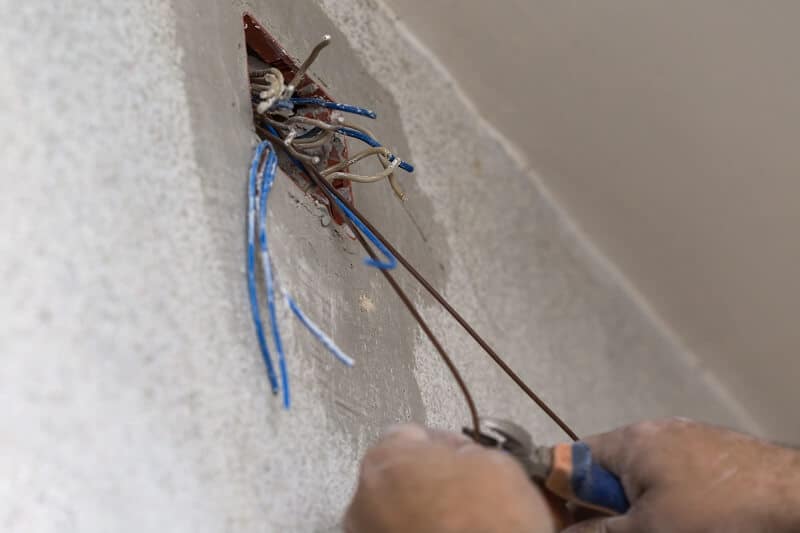
 How can you be sure that a house rewire is necessary? The wires in your house deliver the electricity throughout your entire home so you need to be sure that you get advice from the experts. Fortunately, there are few things you can check out before you call any electricians out to your house.
The first thing to consider is the age of your home and electrical panel. If your house is over 50 years old, there’s a good chance it needs to be rewired. At the very least you should have the wiring in your home inspected by a professional. Homes over 50 years old may contain knob-and-tube or aluminum wiring. These types of wiring are outdated and can potentially pose extreme dangers.
Other warning signs that you may need a whole house electrical rewire include:
- Circuit breakers that are tripping frequently
- Blown fuses
- A burning smell that won’t go away
- Sizzling sounds without apparent sources
- Outlets or switches that look discolored or charred
If you are noticing any of the signs above, it’s probably a good time to call your electrician to schedule an inspection. Many electricians are happy to provide customers with whole house rewire estimates. This can be a very large investment so it’s important to call around to find multiple estimates for the job.
It is fortunate, though, that rewiring a home is usually a once-in-a-generation expense when done right. It’s important to weigh the risks versus the expenses when considering this project. Improper or outdated wiring can cause many issues including fires so it’s a job that shouldn’t be put off too long. A report by the US Fire Administration states that from 2010 to 2014, 45,210 home structure fires involved electrical malfunctions or failure. Annually this led to 420 deaths and over 1,300 injuries. These fires also caused $1.4 billion in property damages.
House Rewire: Things to Consider
You might be thinking, ‘what is a full house rewire?’ Well, it’s much like it sounds. Rewiring a home involved removing as many of the old wires as possible to make room for wiring that is not only new but also up to date. Non-metallic wire, or Romex, is used because it is generally safe and easier to work with. It won’t get hot when it is surrounded by insulation.
The new wiring can be installed by tearing out walls to run the new wires and then sealing the new installation behind drywall. This can be very expensive and may take a bit of time to complete. The fewer walls that need cut the less the job will cost. If the wiring can be run through a crawlspace or attic this is ideal for keeping down the cost.
Another option electricians may choose is to take the wiring and fish it through the walls with rods and thin metal, called fish tape. This is usually used in older homes to keep up the integrity. Instead of tearing down walls, small holes are made and then patched up. Using this method helps preserve the plaster walls.
When a house is being rewired, it is almost always recommended to also upgrade your panel. Older homes generally have a smaller capacity panel but when you rewire your home you’re allowing for more conveniences which might put more strain on your panel. If your home has a 60 amp panel, it’s a good idea to update it to 100 amp. This will allow you to bring more comfort into your home without the worry of tripping circuits.
Whether you need a new light fixture installed or are getting your whole home rewired, choosing the right electrician is very important. Don’t just hire the cheapest person on the market – be sure to do research and get multiple bids from professionals. In the end, it will be worth it to know that your house rewire job was done safely and correctly.
You local electrician at The Electric Connection can perform whole house rewires with ease. Our technicians have the expertise and experience necessary to get the job done correctly and quickly. Click here to learn more about our house rewire services or give us a call at (818) 446-0888.
 One of the biggest fears a homeowner can have is the thought of losing their house to a fire. Home fires are far too common. All it takes is a small mistake or a little accident to create a horribly devastating fire that destroys all of the world possessions a family owns. One of the leading causes of a home fire can be blamed on faulty wiring. This is generally through no fault of the homeowner. There are nearly 375,000 house fires each year. There are a few things you can do to reduce the risk of your home catching fire explains an
 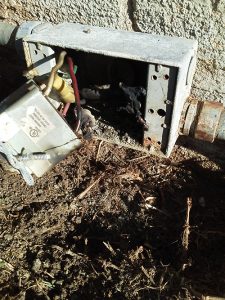 It can be difficult for a person who is absolutely unfamiliar with electrical wiring and all of the components that go with it to understand when something is wrong. Wiring is hidden away behind fixtures and walls so it isn’t like you can see any problems. You have to depend on some other basic warning signs and symptoms to help you determine whether or not you have a problem. Because electricity can be extremely dangerous, you should never try to fix the problem yourself. You will want to call an
 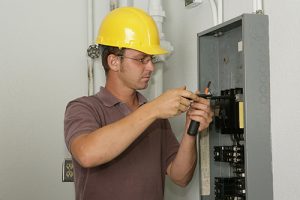 Do you ever like to feel safe and secure while you are at home with your family? Of course, you do! Your home is where you should feel the safest. When you leave your home, you want to feel relatively comfortable knowing everything inside is safe as well. Everything you own is in there along with precious family treasures that can never be replaced. Taking precautions like locking your doors and windows and maybe using a security system are typical for giving you that safety you are looking for. However, an
 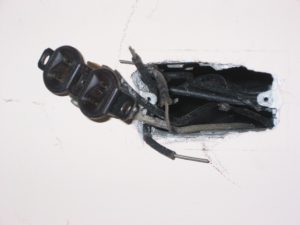 We always like to minimize things in our lives to make them just a little easier to deal with. It is easy to think it is something minor and isn’t really a big deal. Out of sight, out of mind. Unfortunately, it isn’t such a good idea when you are dealing with something as serious as bad wiring. It doesn’t even have to be bad wiring, but a loose wire in a single outlet can cause a serious problem. If you have an outlet that isn’t working all the time, it is serious. You need to call an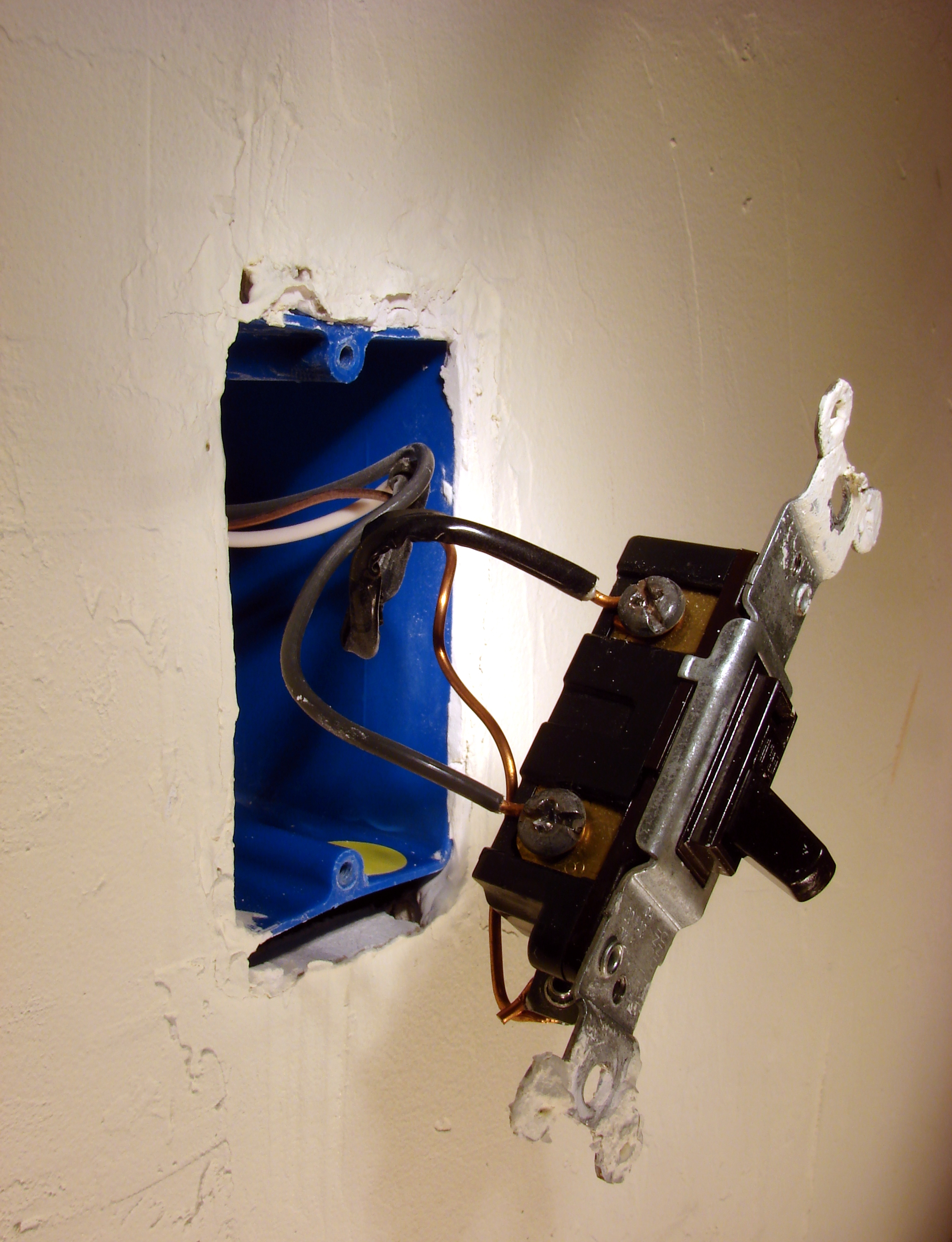
 Your home may not be safe for you to live in. Wiring is one of the leading causes of home fires every year and in many cases; it is completely preventable. Homes that were built before 1950 were probably built with the common electrical wiring at the time—insulated cloth wiring. Today, we know that method isn’t safe. The cloth frays and deteriorates overtime, which can leave wires bare. Bare wires that touch or touch insulation can create a small spark. A small spark is all it takes to cause major devastation. If you are not sure what kind of wiring you have, give a