The Electric Connection’s Blog

Can Recessed Lighting Touch Insulation

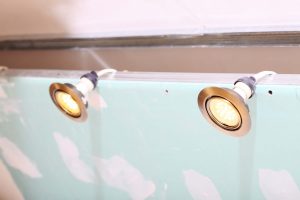
recessed lighting installationA good look and design might not always be associated with efficiency. As homeowners, we want to be proud of our homes and we want to show them off to family, friends, and neighbors. The lighting in our homes should be modest unless you’re trying to display a beautiful lamp. The ideal range of an energy bill is low but that doesn’t mean we should cut corners.

Recessed lighting is a great choice if you want unobtrusive and energy efficient lighting but it can become very got. When turned on, a recessed light fixture produces a lot of heat inside the housing. This, in turn, makes the housing, which is located inside the ceiling, hot itself. Since recessed lighting is installed inside the ceiling, there is a chance that it may come into contact with insulation. This can often lead to fire hazards if not installed properly.

Fortunately, there is a solution. IC-rated recessed can lights are built with an outer wall that protects against any combustions that may occur if insulation were to come into contact with the housing.

What if you already have recessed lighting installed?

If you are unsure what type of recessed lighting you have installed and are worried it may be a potential fire hazard, it might be best to contact a local electrician. The electrician will be able to determine if the lighting you have is IC-rated, if it’s too close to the insulation, and if you need new lighting installed. You can also check yourself. Simply find the tag on the housing unit to see if it says “Type IC” or “Non-IC”. If you’re lighting is IC-rated, you are good to go. If not, you need to find out if it is too close to the insulation or not. If you have an accessible attic space, you can do this easily. If not, it may require a little more finesse.

If you do not already have IC-rated recessed lighting and the fixtures are close to the insulation, you have two choices: remove the insulation or contact an electrician for help. Unfortunately, removing the insulation might not be the best solution as you are messing with your home’s environment. Contacting an electrician for advice is the best bet here. They will be able to provide you with solutions that best fit your needs and that will keep your home safe.

The Electric Connection has been installing all types of lighting in the Los Angeles area for over 30 years. We have technicians providing excellent electrical services all over the city. If you need recessed lighting installed or have any questions, please feel free to contact us.

What Does An Electrician Do?

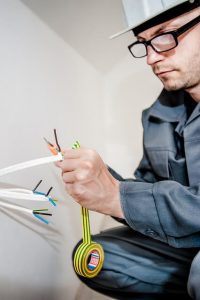
Los Angeles Electrical ContractorWorking as an electrician you can expect to do everything from installing to maintaining all electrical and power systems found in homes, businesses, or factories. If you take a look a the wiring or control equipment found in a structure, there’s a good chance, as an electrician, you will be working on it. Wherever electricity flows, you can find an electrician.
Like many fields, electricians often specialize in different areas, such as commercial or residential, installation or maintenance. For example, an electrician specializing in construction can often be found installing wiring for new buildings or homes. Residential electricians often focus more on homes and apartment buildings, whereas commercial electricians focus on working in buildings, such as offices or stores. It’s not uncommon to specialize in a multitude of things as well.

There are many tools an electrician must use throughout their day. For example, when an electrician is installing new wiring, you can see them using conduit benders, screwdrivers, pliers, and wire strippers. To test the wiring, tools such as voltmeters or ammeters are used. These tools are used to ensure the job is safe to start and safely completed.

When performing electrical maintenance, the work varies from day to day. There are many different components of electrical items so it greatly depends on where that electrician is working that day. Residential electricians will often provide a variety of jobs for homeowners, such as rewires or new ceiling fan installations. Commercial electrical jobs are more intense and require a bit more training. These electricians will be found repairing motors, transformers, or generators. A great skill that a commercial electrician also has is advising on which equipment works well together and which will cause hazards.

If you are considering becoming an electrician, be prepared to work indoors and outdoors, as well as inside attics and underneath homes. Work can be very strenuous sometimes and require the lifting of heavy items which standing and crouching for long periods of time. There are great risks of shocks, falls, and cuts if you’re not careful or know what you’re doing.

Each state varies in what is necessary to become a journeyman electrician. Schooling and testing and required in order to get your license. Many companies offer jobs as helpers for those who do not yet have their license. This will give a junior electrician the experience necessary to take the next step. You can also learn a lot by working with a professional electrician.

Working as an electrician can be a tough job but can be very rewarding work. To see a homeowner happy with a new installation or to see your work admired by customers can be a great feeling. Electricity runs the world so there should be no shortage of electrician jobs in the country.

The Electric Connection has been providing electrical services to the Los Angeles area for over 30 years. We are proud to provide homeowners and businesses with excellent services. If you need any electrical work done in your home or business, please contact us.

How to Upgrade a Panel Box

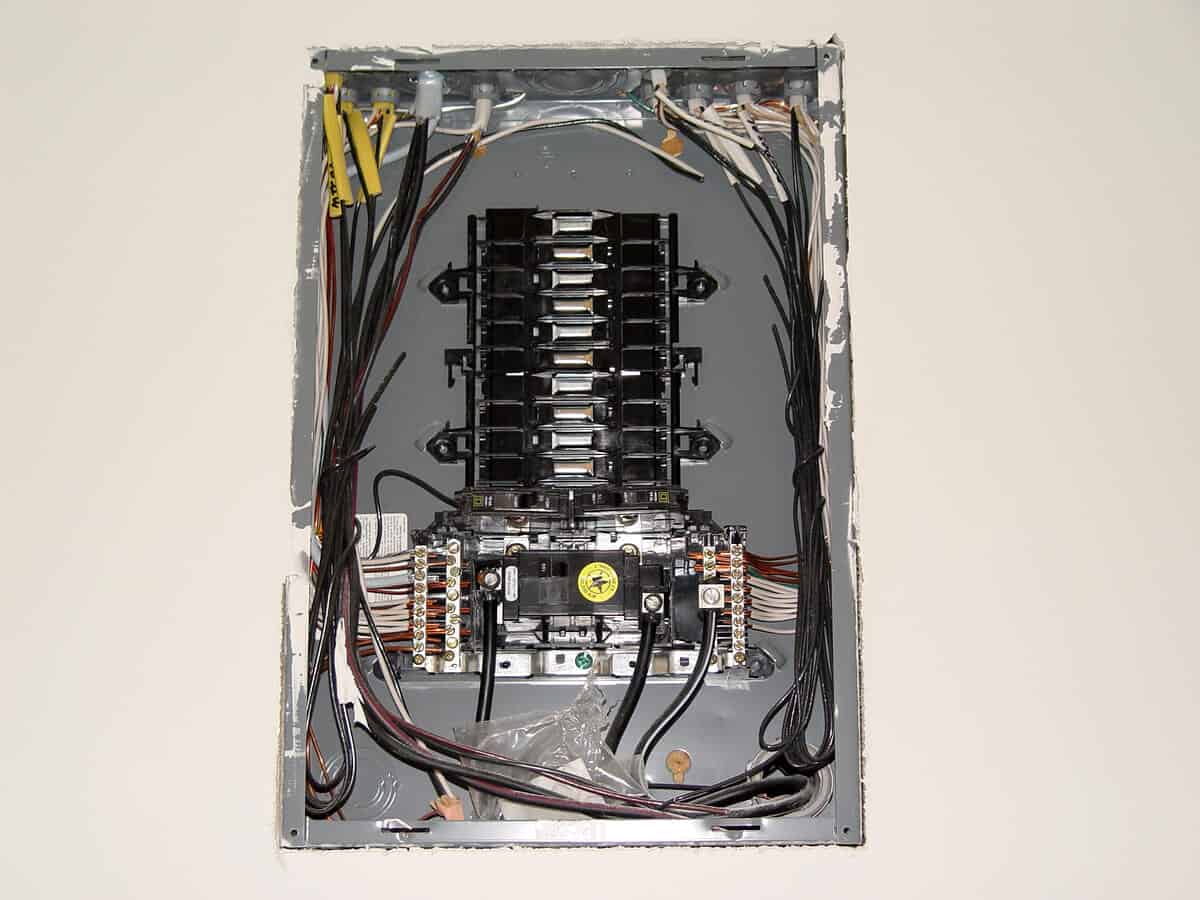
panel upgrade los angelesOlder homes are not set up to have enough amperage to manage all the elements in the home. The panels in older homes only have around 60 amps, while today’s panels have 200 amps or more. The electrical demands of an older home can cause the panel to trip frequently. If this is the case, it might be time to upgrade your panel. It’s important to understand that this job should not be taken on by someone who doesn’t know much about electrical systems. A professional electrician should be used in every panel upgrade.
The first step to upgrading your panel is to get the correct permissions. Before you dig into your circuit breaker panel, you need to check with your local building and safety. You will need to obtain a permit to start working on your electrical box. If you do not get the proper clearance first, you may get in trouble later. Once the job is complete you may have to call an inspector out to make sure the job was done to code.

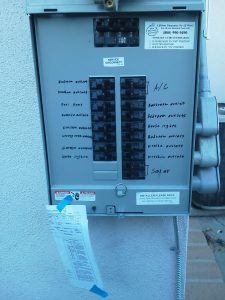
After you have the correct permissions, the next step is to open up the panel and take a look at what you have. Check out what breakers control the different parts of the home. The bathroom and kitchen should be fine to leave alone but the power to other areas of the home may need to be assessed. Here is were a multimeter or voltmeter comes into play. Turn on all the power in your home and scan all the devices you are using. Take a look at the circuit load and compare it with the capacity. Doing this will help you see if it’s near the limit.

The next step is to install the panel. The most important step is to turn off all the electricity. This is vital as any electric going to the panel can cause great danger. Begin removing all the circuits from the panel and place them all to one side – you can scrap these all at a later time. Attach the new panel into the wall by screws and cut a small piece of insulation from the wires. Rewire the panel as it looked before and attach the circuit breakers to the panel.

The circuits that were overloaded or near to being overloaded should be divided into different parts now. Place the new circuit breakers into the new slots and locate the wires that need to be enlarged. Use these wires with the new breakers. Make sure that the neutral and grounded wires are placed securely before moving on.

Once you have completed the process, you should be up and running with a brand new panel. The tripping circuit breakers should be working fine now with the additional space for loads.

Please note that you should not complete this process unless you are sure you know what you are doing. A professional electrician is the best way to go if you are unsure.

The Electric Connection is proud to serve Los Angeles and the surrounding areas. We are professional electricians who specialize in new panel upgrades. If you think your panel needs to be upgraded, please contact us today.

Is Joining Two Extension Cords Illegal?

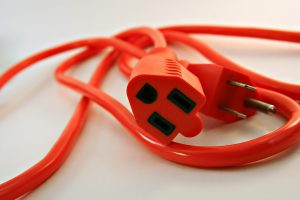
extension cord legalThe legalities of joining two extension cords vary state by state, most states it is legal to join two extension cords together. The important question to ask, though, is:
Is joining two extension cords safe?

In reality, nothing is really dangerous as long as the limitations of the cords are realized and they are plugged into the proper plug. Different cords and configurations will have different outcomes but in order to be completely safe, it is best to read as much as you can about the extension cords you have on hand.

It is important to use properly rated extension cords in any situations, especially if you are joining two together. Check the extension cord’s label for the wattage the cord can handle. If you can’t find any information, you might want to dispose of the cord as it might be very old. Make sure the two extension cords you want to use are the same rating. Be careful of the trip risk and everything should be fine.

It’s very easy to just plug in any extension cord into another one but this is not recommended. Cords can easily get overloaded as you are added on additional elements to the total power coming from the outlet. If you are to use an underrated extension cord there is a possibility for danger. Improper use on extension cords can lead to an excessive voltage drop which can cause overheating and fires. Be sure to check the wall for the temperature after 10 or 15 minutes of use. If it feels warm, you are nearing the maximum level for the cord and should not add any more devices.

To ensure you are properly using an extension cord, it might be best to just get one that is long enough to reach whatever you are trying power up. This way you won’t have to worry about finding the ones with the correct amperage to work together. You will also reduce the chances of tripping and unplugging one from the other.

Also, be sure you are using the extension cord with recommended devices. Never user an extension cord to power the following items:

  • Welders
  • Hot Water Heaters
  • Air Conditioner
  • Refrigerator

If you are unsure if you have the correct extension cords, please contact an electrician who can help you out. A professional electrician can give you more information and advice about extension cords and the possibility of just adding more outlets in your home. Additional outlets can bring power to the places you need them most and remove the risk caused by adding too many extension cords and power strips. If you are unsure, be safe and ask an electrician first.

The Electric Connection is proud to serve the Los Angeles area. We have been in business for over 30 years and have over 100 positive reviews. If you need electrical advice or services, please contact us today.

Dangers of Ignoring a House Rewire

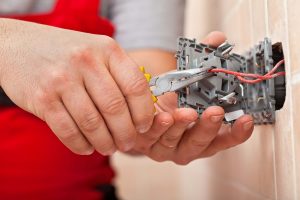
electrician installing new wiringHow dangerous is it, exactly, to ignore a house rewire for just another year? Will the old wiring in your home cause any damages if left alone? Fires and electrical shocks are always a concern when it comes to the electrical system in an older home. That’s why it’s important to not put off a house rewire if one is recommended by a professional electrician.

It’s hard to imagine the devastation of a house fire unless you’ve gone through one. It could easily be prevented by having an electrician inspect the wiring in your home to see if a house rewire is necessary.

Since the wiring is out of sight, it’s easy to overlook it and push it out of your mind. Other than simply just having an older home, what sort of warning signs should you look out for?

Knob and Tube Wiring

Older homes were built with a wiring technique called knob and tube. This old-fashioned system uses copper conductors supported by knob insulators passed through porcelain tubes. Knob and tube wiring is single-insulated and can be compromised if not meticulously kept up with.

Older Insulation

In addition to being used with knob and tube wiring, insulation can cause issues with other types of wiring. Wiring can and will deteriorate and when it does it can leave exposed wires. If these wires come into contact with the insulation in your walls, you could have a pretty messy situation on your hands.

Haphazard Modifying of Wiring

A lot of people think they can tackle the troubleshooting of their electrical systems by themselves. DIYers can often cause more problems than they fix which is why all things electrical should be left up to the professionals.

Lower Amperage

Today’s technology is more advanced than ever so if your home still relies on a low amperage panel, it might not be up to date. If you notice a lot of breakers tripping, it might mean you are putting too much strain on your electrical panel.

What should you do if you think you need a house rewire? Call an electrician to come out and assess your situation. They might even be able to help over the phone. Often a house rewire consultation will be free of charge since it’s such a large job. Be sure to check reviews of any electricians you find to see if they can perform your job. They should be able to also help with any permitting that is required.

The Electric Connection of Los Angeles has been rewiring homes in the area for over 30 years. Our teams of electricians are all licensed, insured, and bonded, bringing you the best electrical services in the area. If you think you might need a house rewire, don’t hesitate to give us a call.

Installing Recessed Lights in 2018

recessed lightingWhen you think about installing recessed lighting, it might seem like a quick and easy process but in reality, there is a lot that goes into it. The first step is to choose the right recessed lighting for your room.

When looking at recessed lighting, there are two different components you need to consider – the housing and the trim. These can both be sold separately. The housing can be found in the ceiling and holds all the electrical components. The trim is what is seen below the ceiling and includes the style and the directional parts of the light.

The next thing to consider when installing recessed lighting is what you actually want the lighting to do. Speak with your designer or your contractor to set up a lighting plan. In this plan, you should decide what you want your recessed lighting to do. Are you looking to provide a general lighting for the room, highlight artwork, or add additional lighting to the already set up lighting? Recessed lighting is very flexible.

Choose your style next. Recessed lighting can be hidden but you can also use to show off the style of your room. You can choose the trim, shape, and style of your recessed lighting. From different colors to shapes, use your recessed lighting to complement other areas in your room.

Recessed lighting is a great choice for your home’s lighting system. A professional electrician can recommend the best set up for your situation.

The Electric Connection has been providing Los Angeles and the surrounding areas with electrical services for over 30 years. Our electricians are experts in installing every type of lighting on the market. Please contact us to get on the schedule!

How Attic Fans Work

attic fan installationIf you don’t have an attic fan installed in your home, you have probably wondered if one would work for you. You’ve probably heard about attic fans but aren’t sure how they work or what they even do. Attic fans are special ventilation fans that give your home an energy efficient way to cool hot attics. In doing this, they help cool off the rest of the home.
Best installed during the spring or summer months, these fans can be used to help out the central air conditioning systems. Attic fans definitely cannot replace a central air unit in terms of cooling off a whole home, but they offer a smart alternative to help cool down a home. Since attic fans aren’t as powerful as an air conditioner, they can’t completely cool off your home. They use a fraction of the energy, which makes it appealing to thought who want to stay energy efficient.

An attic fan is first and foremost a fan. It will push the hot air out of your attic and replace it with cooler air found outside. As with any fan, there are several types available. Most of them contain the same features – small vents to bring the cooler air inside and a fan that pushes the air to the outside. It may seem simple, but can be very effective.

What are the benefits of installing an attic fan?

  • Cool your home and be energy efficient
  • No unsafe gas use
  • Brings down the humidity levels
  • Easy to install
  • Usually inexpensive
  • Great alternative to cooling the home

Be careful to not make the common mistakes of installing an attic fan. This is to cover the vents with insulation. The more insulation in your attic, the more energy efficient it will be BUT if you cover the vents of your attic fan it will render the fan useless.

Also, be sure to keep your windows open when you are using the attic fan. By keeping your windows closed, you are reducing the effectiveness of the attic fan. The fan works by creating a negative pressure to release the air to the outside. By leaving your windows open, you allow the fan to bring in more cool air into the attic and your home.

The Electric Connection has been serving the Los Angeles area for over 30 years. Our electricians have the expertise and knowledge to complete a variety of electrical jobs. From attic fan installations to whole house rewires, The Electric Connection can do it all.

3 Benefits of Installing Home EV Charger

ev charger benefitsThe purchasing of an electric vehicle comes with one big, important question:
How can I charge my car at home?

Driving around you may see EV chargers set up for public use – which is great! It’s always nice to know you have a place to go to get a charge on your car, but what if you want the convenience of charging your electric vehicle at home?

There are actually quite a few options out there. One is to just simply plug it into an outlet. Your car should come with a cord that just plugs into any normal outlet in your home. This is called a Level 1 charger. It, of course, does not produce a very fast charger but will make do until you decide you want to purchase a faster way to charge.

The good news is that there are other options that will get your car charged faster. These options are also surprisingly affordable.

What are the benefits of installing an EV charger in your home? Your own charging station will provide you with a fast and safe charge that should cost no more than pennies a day.

At home, the best options for getting a fast charge is to install a Level 2 charger. This will require an electrician to come out and assess your situation – they might also be able to help you over the phone. When a Level 2 charger is installed, you will have a fast charger that will likely fill up your car within a few hours.

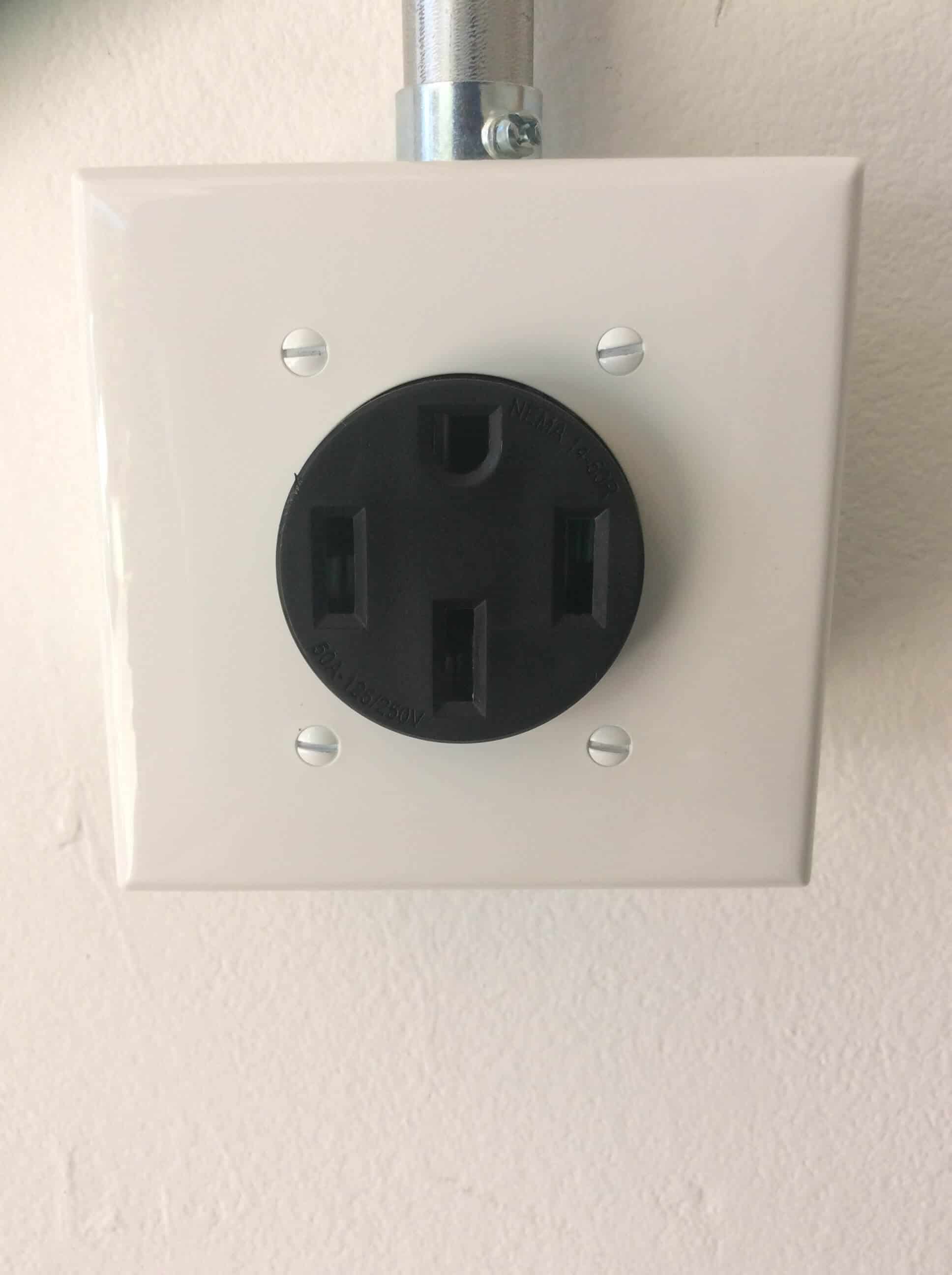
Like the outlet that your dryer uses, the Level 2 charger requires a 240V outlet. This outlet is compatible with all types of electric vehicles currently on the market, from Teslas to Chevy Bolts. There is a cord that plugs into the outlet and then into the car. It can take anywhere from 4 to 6 hours to get a complete charge on the vehicle.

Convenience plays a huge role when it comes to a home EV charger. No more need to worry about losing a charge when you’re driving around town. Simply plug in at night right in your garage or driveway and the car will be ready for you in the morning. You can charge when you want to get with a charging station installed at home.

Lower costs are also a great benefit of installing a car charger at home. Many commercial properties and businesses charger per hour when you plug in. If you have a charger at home, you can skip the fees and just pay your electric bill, which shouldn’t raise more than a few pennies. There are also studies that say charging your car at home costs less than running an air conditioner.

If you have any questions about why you should install a car charger at home, consult with a local electrician. They should be able to answer any questions you may have about the installation process and the benefits.

The Electric Connection of Los Angeles has been providing the people of Los Angeles and the surrounding areas with expert electrical services and tips for over 30 years. We are installing electric vehicles charging stations daily. If you have any questions, please contact us at (818) 446-0888.

2018 Panel Upgrade Cost

panel upgradeLiving in the country or the city, your home greatly relies on your electrical system. Your electrical panel box provides all the electricity to different areas in your home. It’s the first connection to outside power and distributes it throughout the rooms in your home. When it comes time for an upgrade, many different elements go into determining a price. Before you decide that you need a panel upgrade, make sure to run through all the factors before making the big decision.

The average homeowner can expect to pay between $250 to over $1,500 for a new panel upgrade in 2018. In the nation, the average cost to upgrade a panel is around $1,100. Lower amperage panels that don’t need an upgrade but only replaced can be as low as $125 – not including labor or other related costs. Larger panels may be around $3,000 to replace or upgrade.

The cost of labor may be a big part of the total cost. It usually takes from 8 to 10 hours to complete a panel upgrade. Most electricians charge from $50 to $80 an hour. Keeping all that in mind, it can cost anywhere from $500 to $800 for the labor to upgrade a panel.

Thinking about it, it’s quite reasonable. It’s not easy to upgrade a residential panel and you shouldn’t choose just anyone to do so. A professional electrician who is licensed and insured should be chosen to complete the job.

200 Amp Panel Upgrade Cost

When upgrading your panel to a 200-amp service, the cost can be from $1,300 to $3,000 including installation fees. All situations are different which means it could be more or less depending on your home’s setup. Every single installation is unique. An electrician with knowledge about upgrading panels should be able to assess your situation and give you an accurate quote before beginning the job.

Many factors go into the cost of a panel upgrade. It’s important to look at every aspect of your job and understand it completely – that way there are no surprises in the end. Consult with a professional electrician if you have any questions.

The Electric Connection has performed many panel upgrades throughout the Los Angeles area. Our electricians are trained and knowledgeable about all aspects of electrical work. Contact us today if you are in need of a panel upgrade.

Please note: these prices do not reflect those of The Electric Connection. Please contact us for an estimate regarding your electrical panel upgrade.

10 Tips For House Rewires for Older Homes

rewire older homeOlder homes are usually the ones that benefit the most from a whole house rewire. This is due to the fact that the electrical systems found in old homes are not up to date with modern technology and might not be able to handle to loads that are thrown at them. With today’s new appliances, gadgets, and tech, more and more pressure is put on a home’s electrical system.

Computers, 3D televisions, newer refrigerators – these weren’t around when historically homes were built and wired. Upgrading an older home’s electrical system is definitely a task one must take on to bring it up to date. It’s important to do an electrical system update with care to not damage an older, historically home or building.

How can an older home be rewired while still keeping the history intact? Below are some tips that will ensure your home will still feel the same after a rewire. These tips will help reduce the number of holes in the floors, ceilings or walls and make the whole process of a house rewire a little more smooth.

1. Create a list of everything you’ll be using in your home that requires electricity. Call this an “electrical inventory”. Make sure to list where you will be using these items as well. This will help to match your electrical system with your electrical needs. When you make a list of items and where you’ll be using them, you’ll help the electrician with the framework of the job.

2. Check with your city about local codes and pull the necessary permits. Electrical code will tell you how many outlets you can put in each room as well as what kind of wiring you need. An electrician may be able to help you with this.

3. Now is the time to decide if you are okay with just running the electrical wiring or if you should run other things such as data or security. With modern wiring, you get more than just electricity. Keep in mind too that wireless systems are getting more cheaper as well as become more sophisticated.

4. Use the list you created in step one to set a plan of action. This will help your electrician greatly. Take stock and decide what you want to be done, how you want it done, and when it should be completed.

5. Make sure to keep an eye out for existing infrastructure. Check it twice and drill once. Avoid any plumbing or existing wiring in your home to prevent damage.

6. Be sure to get everything in writing. From the city officials all the way to your electrician, get everything you talk about in writing so the job gets finished and finished correctly.

7. Find a good electrician. A good electrician will know what they’re doing when it comes to a house rewire for an older home. It may be a more difficult job, but finding the right electrician for your house rewire is very important.

8. Be sure to remember the cleanup process. A house rewire can be a messy job. Including the demolition and reconstruction process in your plans is very important in order to scope out the whole job.

9. When you are adding an outlet in an area that is going to get a lot of use or a large appliance is going to be there – such as a refrigerator – be sure to use a dedicated circuit. This is where the wire run right from the circuit breaker to the outlet and it is not shared with any other items. This will help to reduce the load on the electrical system and will stop tripping from happening.

10. Keep the feel of your historic home be integrating plates and switches that match the feel of your home. There are many places that will supply hardware to match your home’s atmosphere.

These are just ten tips to keep in mind when rewiring your older home. An electrician can better prepare you for the job when the time comes. If you have any questions, you can reach out to a local electrician to get answers.

The Electric Connection has been supplying the Los Angeles area with electrical support for over 30 years. House rewires and panel upgrades are our specialty. If you think your older home needs a house rewire, please give us a call at (818) 446-0888.