

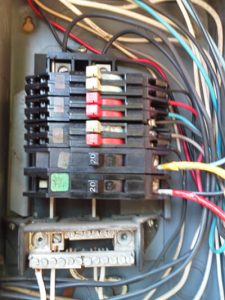
 You are probably vaguely familiar with that scary big gray and black box in your basement or utility room. Most homeowners look to this box when they have a tripping breaker or sudden loss of power.
The main electrical panel in the home is also known as a breaker box. It receives and distributes electrical power from the utility company into all areas of your home.
When the electrician needs to fix any electrical component in the home, they turn off the power to that component at the breaker box. It is good to know the main functions of the electrical panel but as a homeowner, you should be better informed.
Read on as we explore more about your home’s main electrical panel.
At a glance
When you open the panel door, you would see the circuit breakers that serve your home. These should appear like several switches each connected to an electric component.
You can turn these circuit breakers on and off to control the area or appliance they give power. The appliances can be identified by a symbol, handwritten word or a detailed sheet on the side of the door.
If you find that you have fuses and not circuit breakers, it means the electrical panel hasn’t been upgraded in a long time and an upgrade should be considered now.
The electrical panel also consists of empty slots.
These slots allow homeowners to include additional circuit breakers for new appliances or areas of the home. When the need arises to install or replace a circuit breaker, the electrician does this by first removing the protective cover inside the electrical panel. This cover is known as the dead front cover and can be unscrewed out of place. During such service, the entire panel will be shut off.
Circuit breakers
The circuit breakers are designed to protect the appliances they serve by tripping off if there is an unusual occurrence with electric power. When there is a high demand for power than the circuit can provide, the wiring becomes affected and electrical hazards like a fire can occur.
Components of circuit breakers
Double-pole breakers literally have double poles. They provide 240V with 15 amps to 50 amps ratings. They serve dedicated outlets for home appliances that demand much power; for example, electric dryers, air conditioners, and stove.
Single-pole breakers have single poles. These poles provide 120V with 15 amps to 20 amps. They serve most of the circuits and outlets in the home.
Bus bars – Hot, Neutral, and Ground
The hot bus bars are two thick black service wires connected to the main circuit breakers. They provide 120V of power.
The Ground bus bar is a separate bus bar installed for ground wire connections. It is usually connected to the neutral bus in the main service panel
Electrical power leaves the panel through the hot bus bar and reaches outlets, appliances, or switches. When this electrical power returns it goes through the neutral bus bar which comprises of a white circuit wire.
Together the components of the main electrical panel keep your home up and running with safe electricity.
Learning more about this panel doesn’t mean you should fumble around with it. To avoid electrical hazards always call an electrician to attend to any issues. However, now you can better understand what they say when they arrive.
 Your business reputation is invaluable to its success. And in recent times, consumers no longer want to hear how good your business is from you, they want a third party confirmation from users like themselves. This brings us to the ever growing importance of reviews for businesses.
 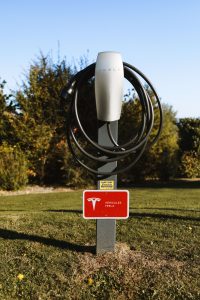 When you are obsessed with pretty cars and tired of driving fuel powered vehicles, then an electric vehicle like
  A lot has changed with the way homes are built and
  Regardless of your socio-economic class, every one of us could benefit from a little frugality in our lives. If you keep track of your spending and compare the figures over a long time, you find that you spend more on certain things you believed were cheap. In fact, according to the energy department, a regular family spends an average of $2,200 on utilities alone within a year.
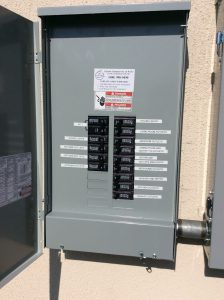 Knowing the size of your main electrical panel informs you of how many appliances you can run. It helps to determine if your panel can supply the electrical power you need after a renovation or room expansion. It also helps you decide if an upgrade is necessary.
  Reviews are the lifeblood of any business and they won’t be going away anytime soon. They influence your brand reputation and can determine your business success. As a skilled tradesman, gathering as many positive reviews as possible is an essential success strategy. Many electrical companies do not recognize this and so do not take the necessary steps towards obtaining customer reviews.
 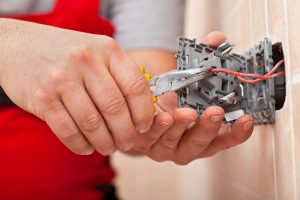 Home wiring is something many homeowners often forget to consider with other home maintenance issues. This is not strange because home electrical wiring is usually tucked away behind the walls. Hence, as long as your outlets work and the lights come on, you won’t be thinking about the wiring behind it all.
 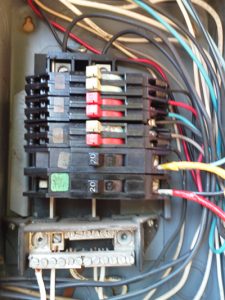 Electrical panels service homes and buildings by providing and controlling power. It is vital that such an important electrical appliance is safe and dependable. When this is not the case, homes and buildings can run into several electrical based problems that range from inefficient electricity supply to fires, electric shocks, and more.
  Chandeliers are valuable lights admired for the elegance and lighting quality they bring to a room. Any chandelier can add glamour and beauty to a home or even a commercial building. They come in various sizes, shapes, and designs. Some people believe that chandeliers are for high ceilings and dining rooms. A chandelier is actually quite versatile as it can be used in any part of the home and with both low and high ceilings.